News
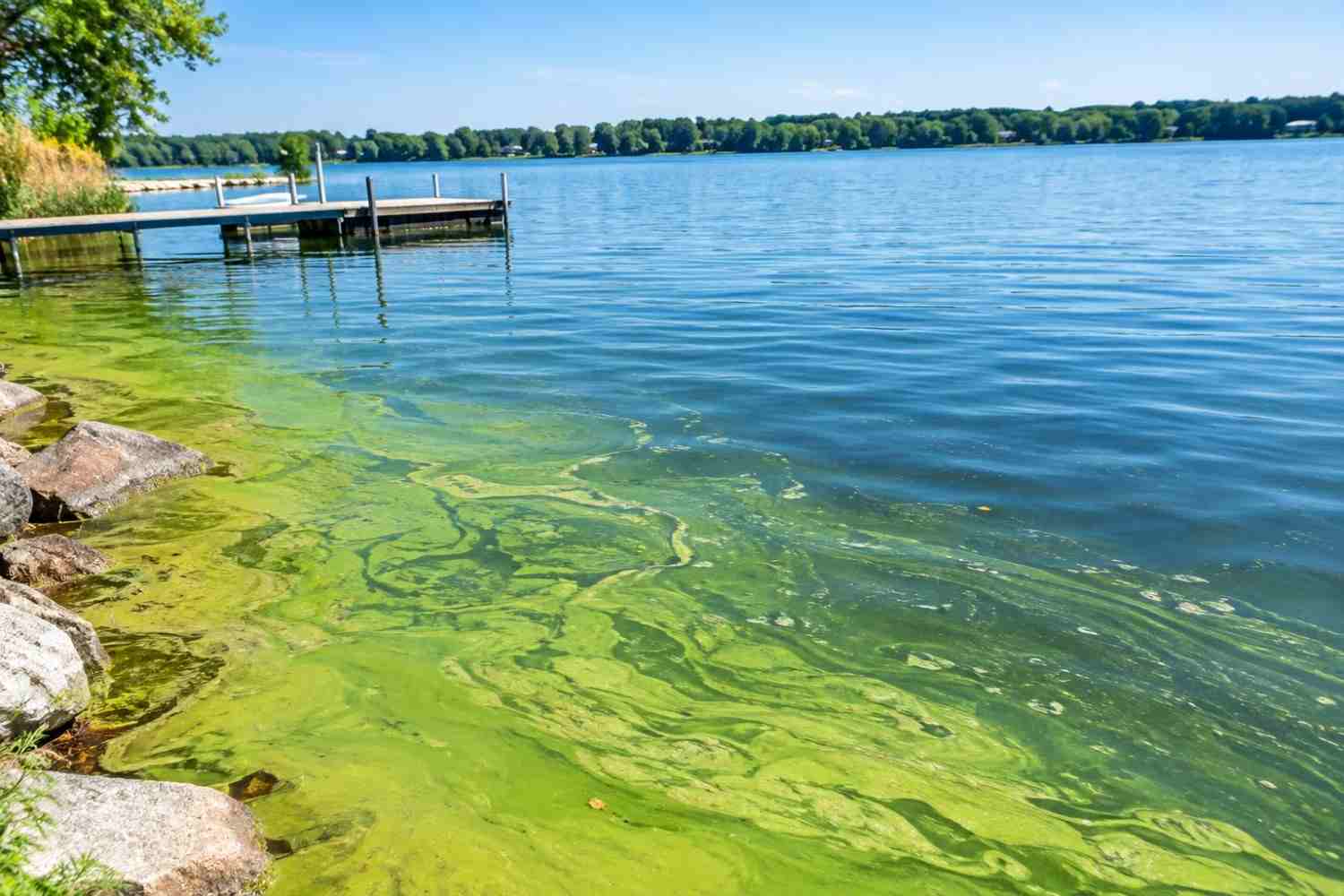
Cyanobacteria, often called blue-green algae, can affect lakes, ponds, reservoirs, and recreational water bodies. Blooms may reduce water clarity, create odors, and change dissolved oxygen conditions. Effective lake cyanobacteria treatment…
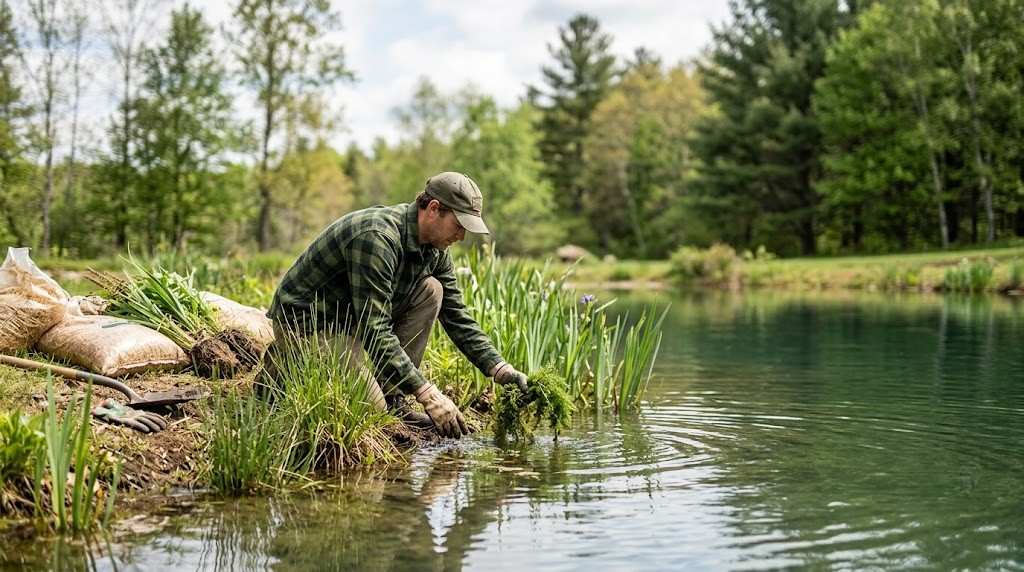
Algae can be a problematic water quality issue in ponds, reservoirs, lagoons, industrial systems, and water bodies in general. Excessive algae growth can lead to poor water transparency, odors, maintenance…
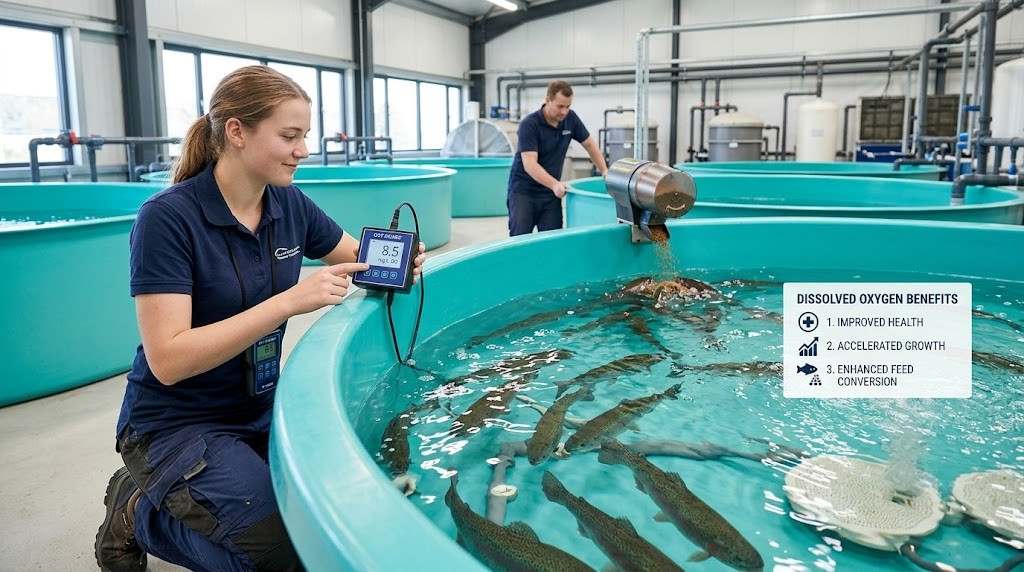
Dissolved oxygen is an important parameter for aquaculture success. Fish require oxygen for respiration, metabolism, growth, and stress resistance. A decrease in oxygen can lead to decreased feeding activity. Growth…
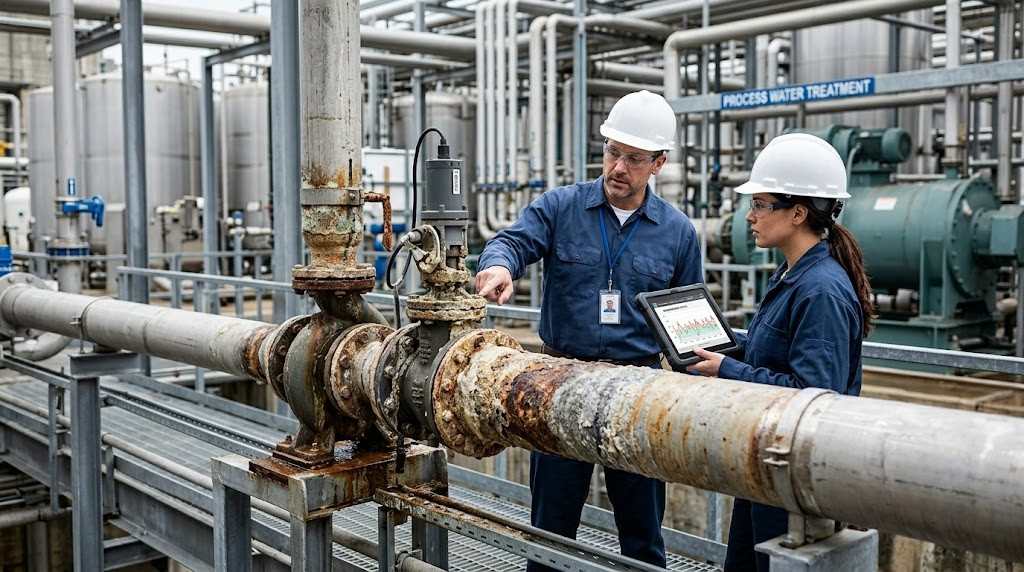
Water is an important factor in many industrial processes. It helps to cool, clean, process, produce, and improve equipment performance. But when water quality is not good, costs can creep…
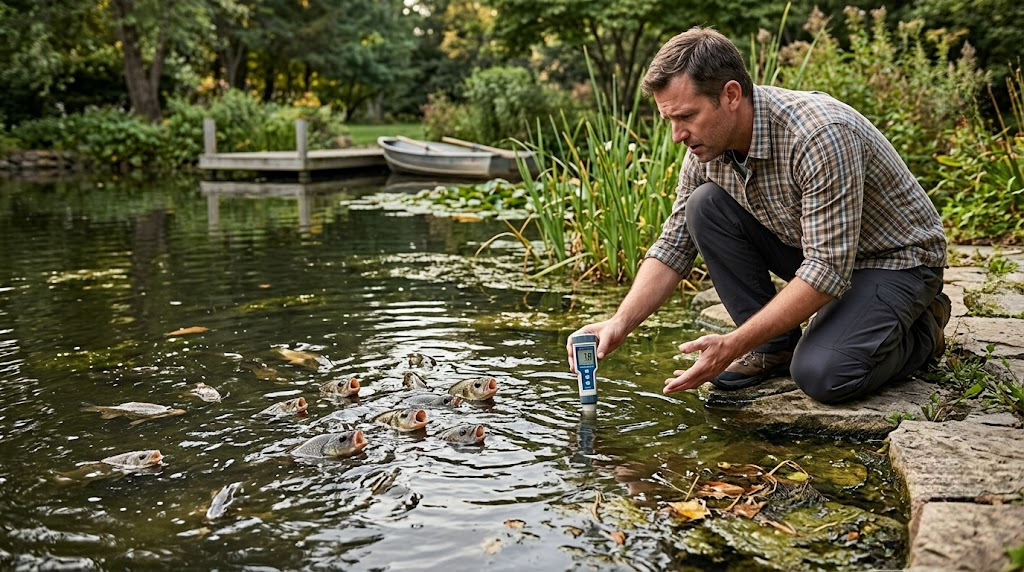
Dissolved oxygen is one of the most important indicators of pond and lake health. The appropriate dissolved-oxygen concentration depends on water temperature, fish species, stocking density, time of day, and…
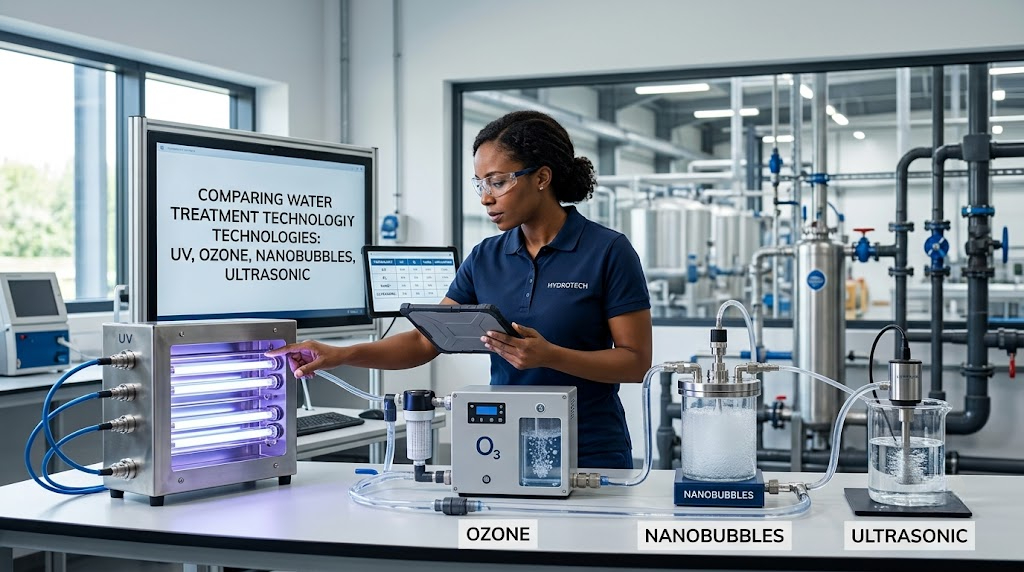
Choosing the right water treatment system can be daunting. Utilities, industries, farms, and aquaculture have multiple technologies to choose from. Any of the following systems can support your water quality…
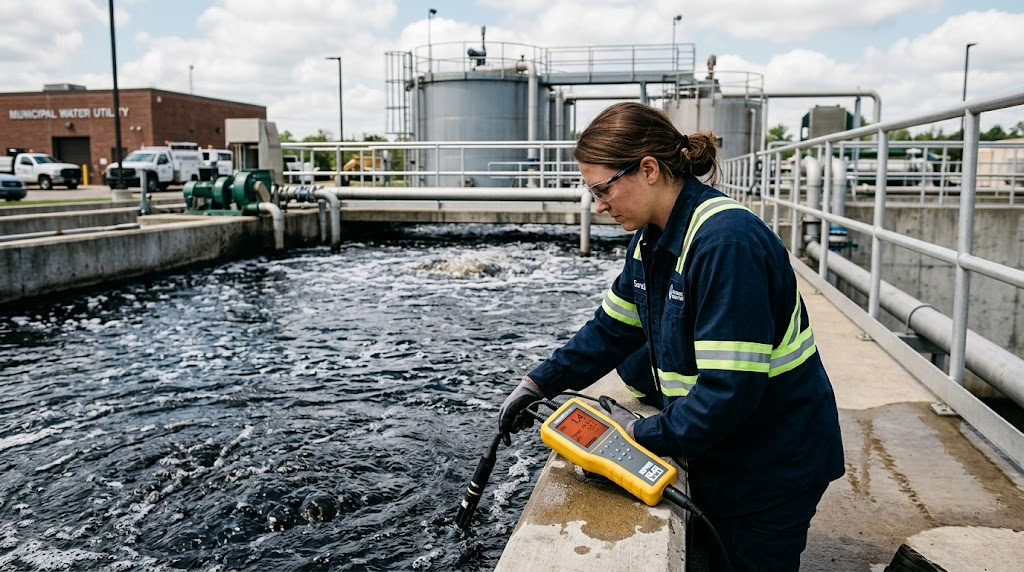
Water utilities operate complex systems daily. They monitor treatment performance, energy consumption, maintenance, and water quality. But one factor often deserves more attention: oxygen levels. Biological activity, water chemistry, treatment…
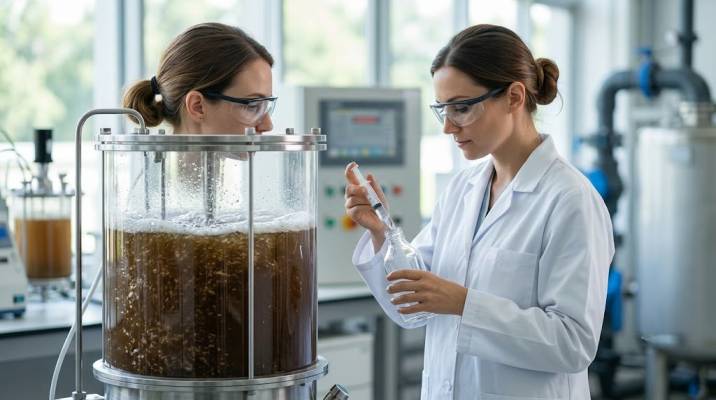
Biological wastewater treatment relies on good biology. These microorganisms decompose organic material and eliminate toxic substances. They require sufficient dissolved oxygen , however, to remain active. Standard aeration systems are…