PUROXI OZONE TREATMENT TECHNOLOGY

Puroxi Ozone
Treatment Systems

Effective ozone treatment begins with more than a generator. It requires proper ozone injection, thorough mixing, appropriate contact time and engineered gas management—designed around your water.

Understand Ozone Treatment →Ask a Water Specialist →
PREMIUM INJECTION OPTION

Puroxi CPVC + PTFE Nano Bubble Nozzles

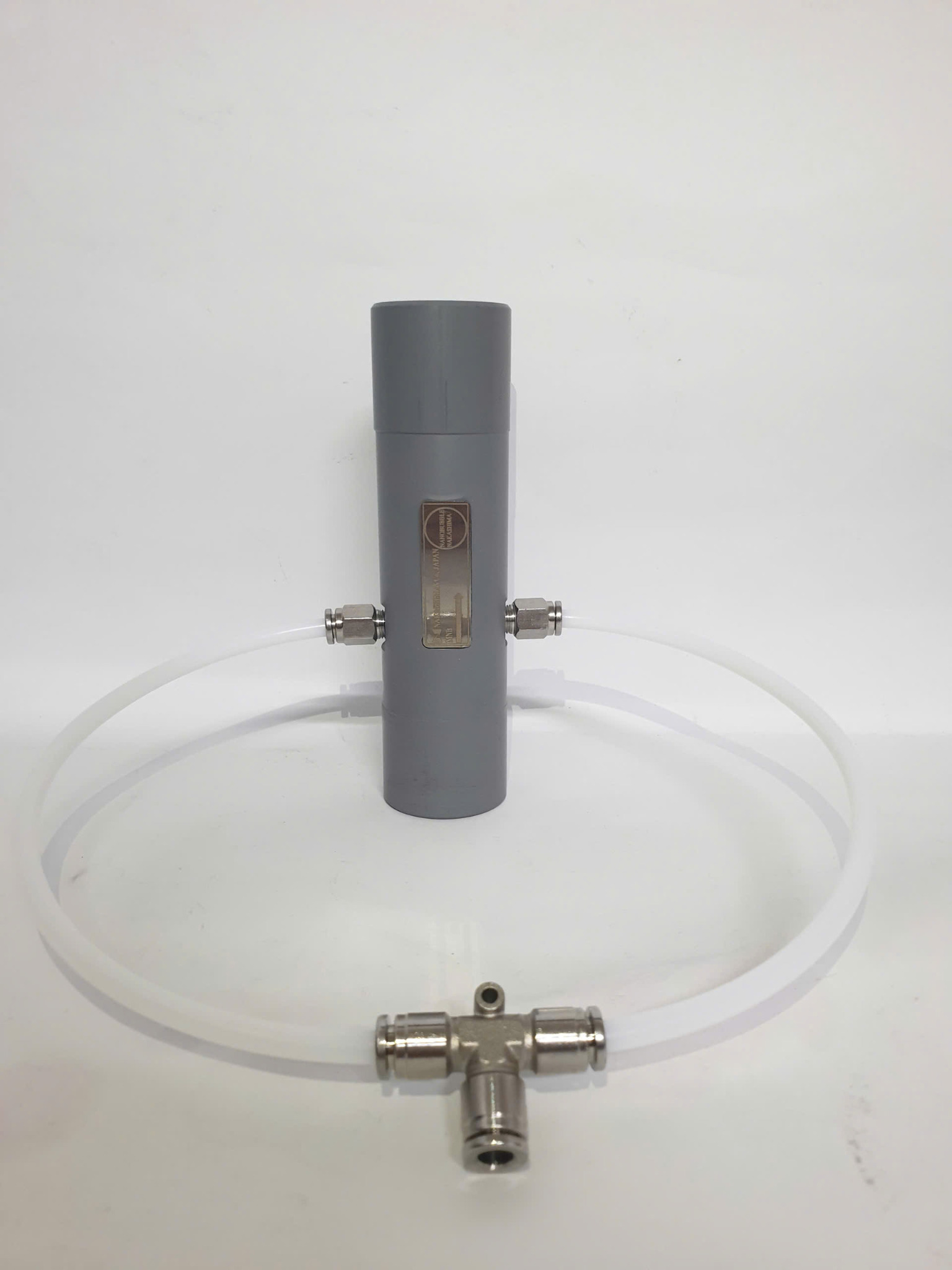
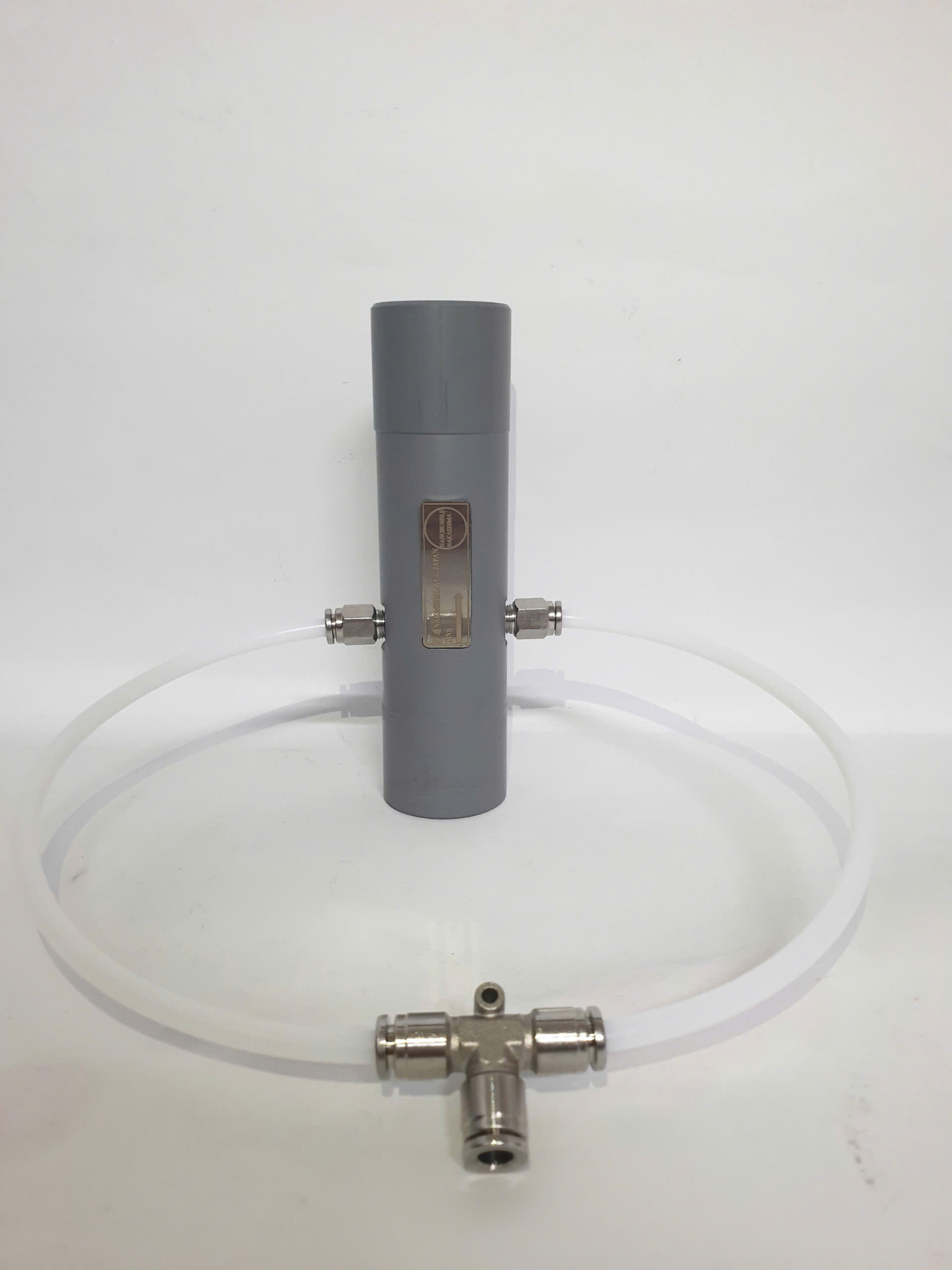
Our premium ozone injection option uses genuine Puroxi CPVC + PTFE Nano Bubble Nozzles to disperse ozone into a properly designed circulating water stream. Nozzle selection depends on the water flow, operating pressure, gas supply and treatment requirements.

The CPVC + PTFE nozzle configuration includes gas-injection ports. Nozzle selection and ozone compatibility are reviewed against the complete system design.

Actual CPVC and PTFE nano bubble nozzle, gas tubing and fittings

Puroxi CPVC + PTFE Nano Bubble Nozzle.

ALTERNATIVE INJECTION OPTION

Ozone-Compatible Static Mixing

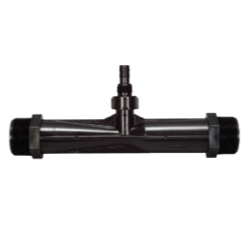
For installations where conventional injection is the appropriate choice, Puroxi can supply an ozone-compatible Venturi and static mixing arrangement. The mixing equipment is selected for the required water flow, gas transfer, pressure drop and operating range.

Venturi injection component. Static mixer selection is application-specific.
THE MOST IMPORTANT PART OF OZONE TREATMENT

Proper Mixing, Contact and Safe Ozone Management

Regardless of the application, ozone must be introduced and mixed effectively with the water, given suitable contact time, and controlled to protect people, equipment and the environment. A larger ozone generator cannot compensate for poor system design.

01 · Injection & Mixing

Disperse ozone into the circulating water using a selected nozzle or static mixing system.

02 · Contact & Recirculation

Provide the contact conditions needed for the intended treatment objective.

03 · Venting & Destruction

Manage undissolved ozone with engineered gas separation, venting or an ozone destructor as appropriate.

04 · Monitoring & Protection

Include suitable sensors, ozone-rated backflow safeguards, interlocks and shutdown controls.

Mixing & Contact Tanks

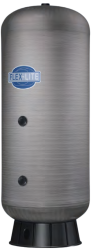
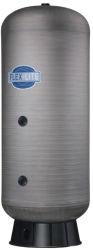
Example contact vessel; ozone compatibility must be verified
Illustrative vessel only — material compatibility and pressure rating must be confirmed for ozone service.

Designed to support effective contact and appropriate gas separation.

Ozone Destructors

Ozone off-gas destructor equipment

Selected to safely manage residual ozone gas where required.

Monitoring & Accessories

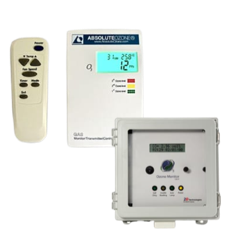
Ozone monitoring and control equipment.

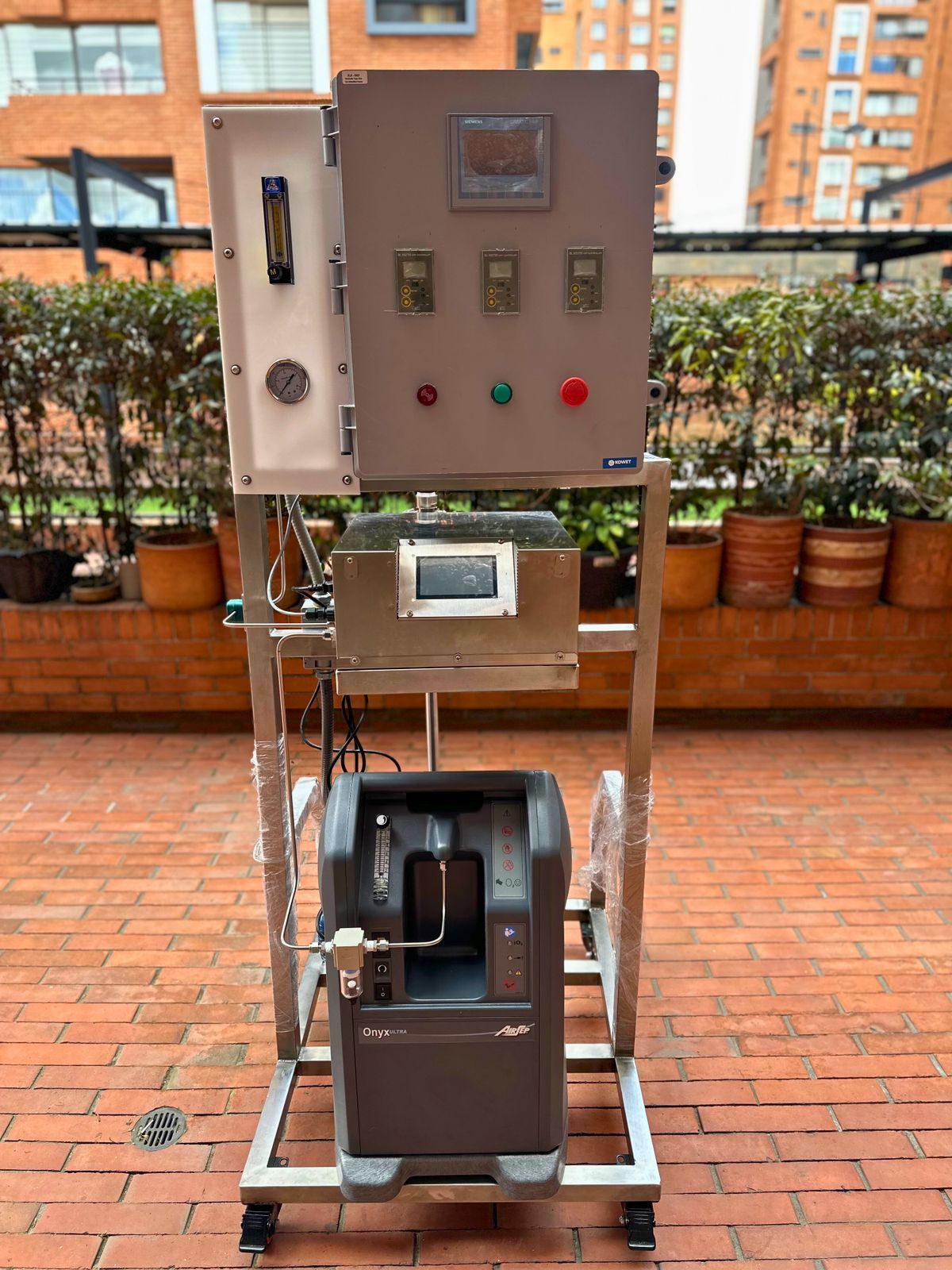
Oxygen supply, flow controls, sensors, protective valves and interlocks.

APPLICATIONS

Ozone Solutions Designed Around the Water

Our applications include wastewater, drinking water, cooling water, industrial process water, reservoirs and bottled water. Each requires its own assessment of water chemistry, flow, volume, treatment objectives and safety requirements.

Wastewater

Application-specific oxidation, colour control and treatment polishing.

Drinking Water

Carefully engineered oxidation, filtration and monitoring with applicable compliance controls.

Cooling Towers

Ozone evaluated as part of a complete cooling-water management strategy.

Reservoirs & Holding Tanks

Circulation, ozone contact and gas management matched to site conditions.

Industrial Water

Selected process-water and reuse applications.

Bottled Water

Controlled ozone treatment as part of an integrated production process.

EXPLORE PUROXI OZONE TREATMENT

Find the Information You Need

Now that you understand the treatment approach, explore the equipment, applications and design resources below.

Explore the complete ozone treatment approach from one convenient page. Select a topic to jump directly to that section, or open our separate preliminary ozone calculator.

Explore the topics on this page or open the separate ozone calculator.

BEGIN WITH YOUR WATER

Understanding Ozone Before Choosing Equipment

Ozone is a powerful oxidant used in many water treatment applications. Its effectiveness depends on the water chemistry, the treatment objective and how the entire system is engineered. Producing ozone is only the beginning: proper mixing, contact and control determine how it can be used.

At Puroxi, we educate customers about both the potential benefits and the practical safeguards. A well-designed installation includes appropriate injection equipment, contact arrangements, ozone-resistant materials, protection against water backflow, monitoring and safe management of unused ozone gas.

SECTION 2 | OZONE GENERATOR PRODUCT RANGE

Puroxi Ozone Generators

Precision ozone generation for complete water treatment systems.

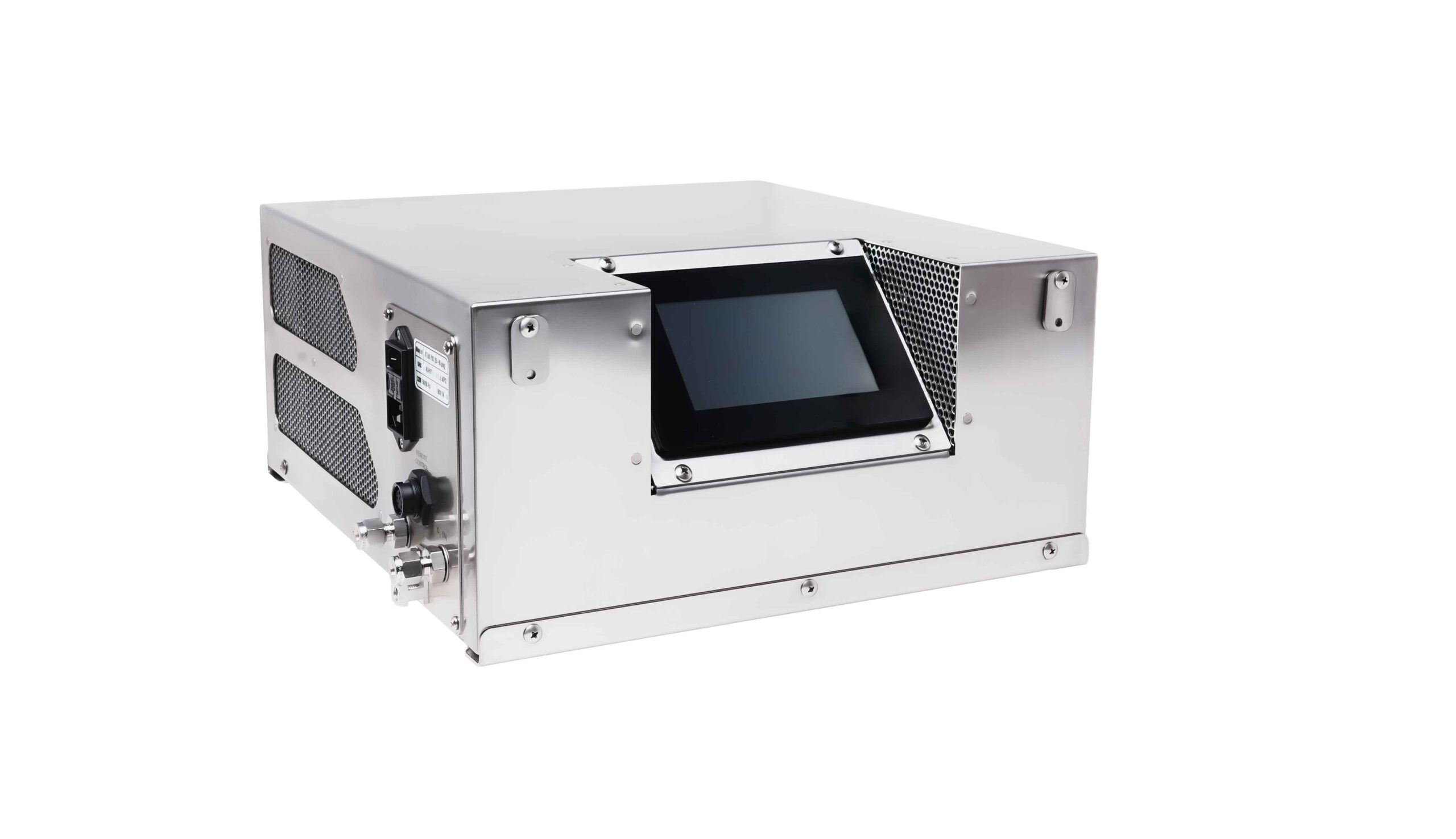
Puroxi offers oxygen-fed ozone generators for applications ranging from smaller treatment installations to commercial and industrial water systems. We select equipment based on your water analysis, treatment objectives, water flow, oxygen supply, and the complete treatment design—not simply the largest available generator.

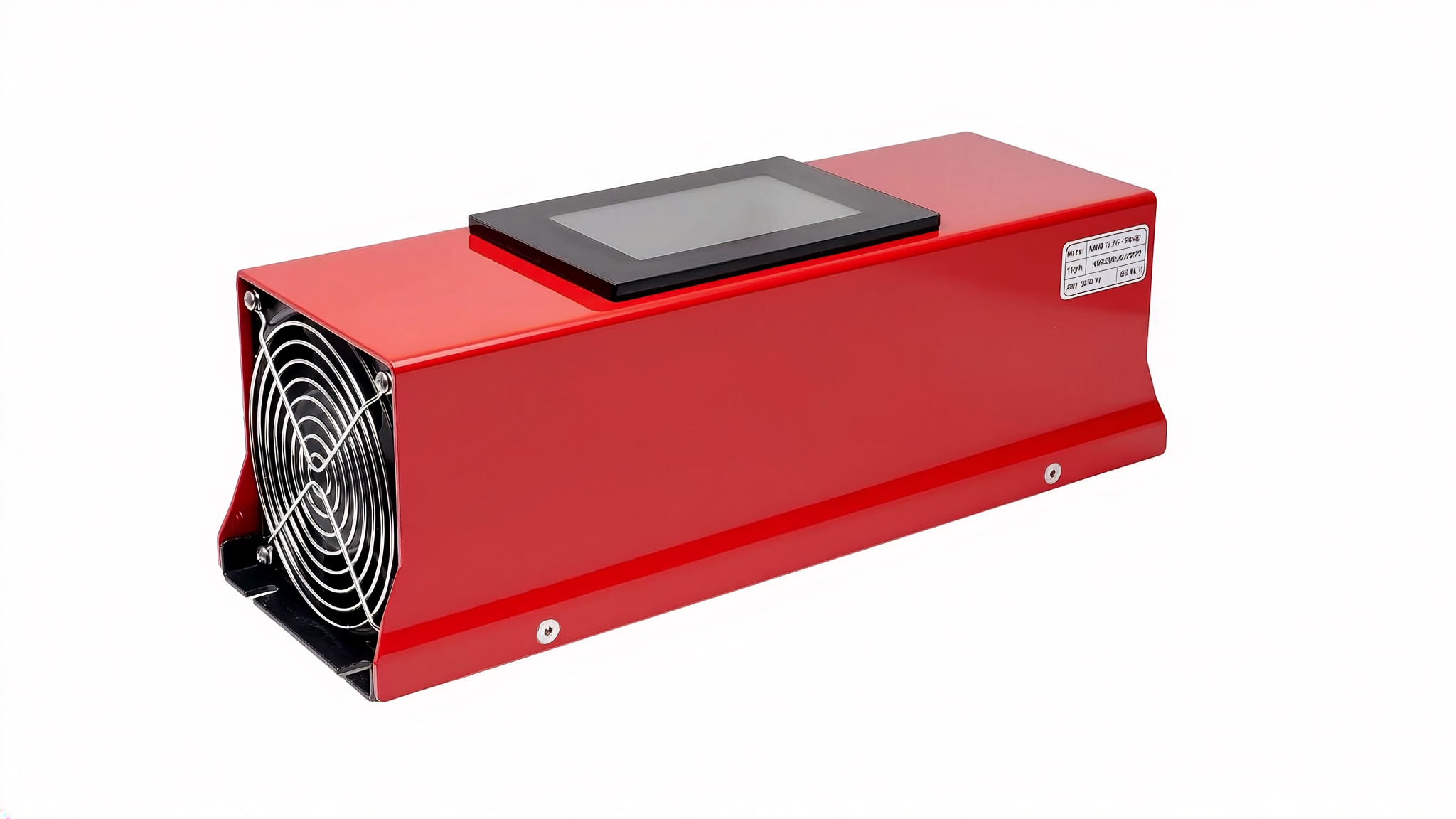
Actual Nano ozone generator equipment photograph from supplied Marketing 2026 archive

Compact Ozone Generators

NANO 15 · 15 g/h · 20 PSIG

For appropriately sized treatment applications where a compact equipment footprint is important.

Explore this range
Model Ozone (g/h) Pressure (PSIG) O₃ concentration Max. power
NANO 15 15 20 5–10% 200 W

Rated generator output is not the same as ozone transferred into water. Oxygen supply, operating conditions, water chemistry, injection, contact time and off-gas controls are evaluated for each project.
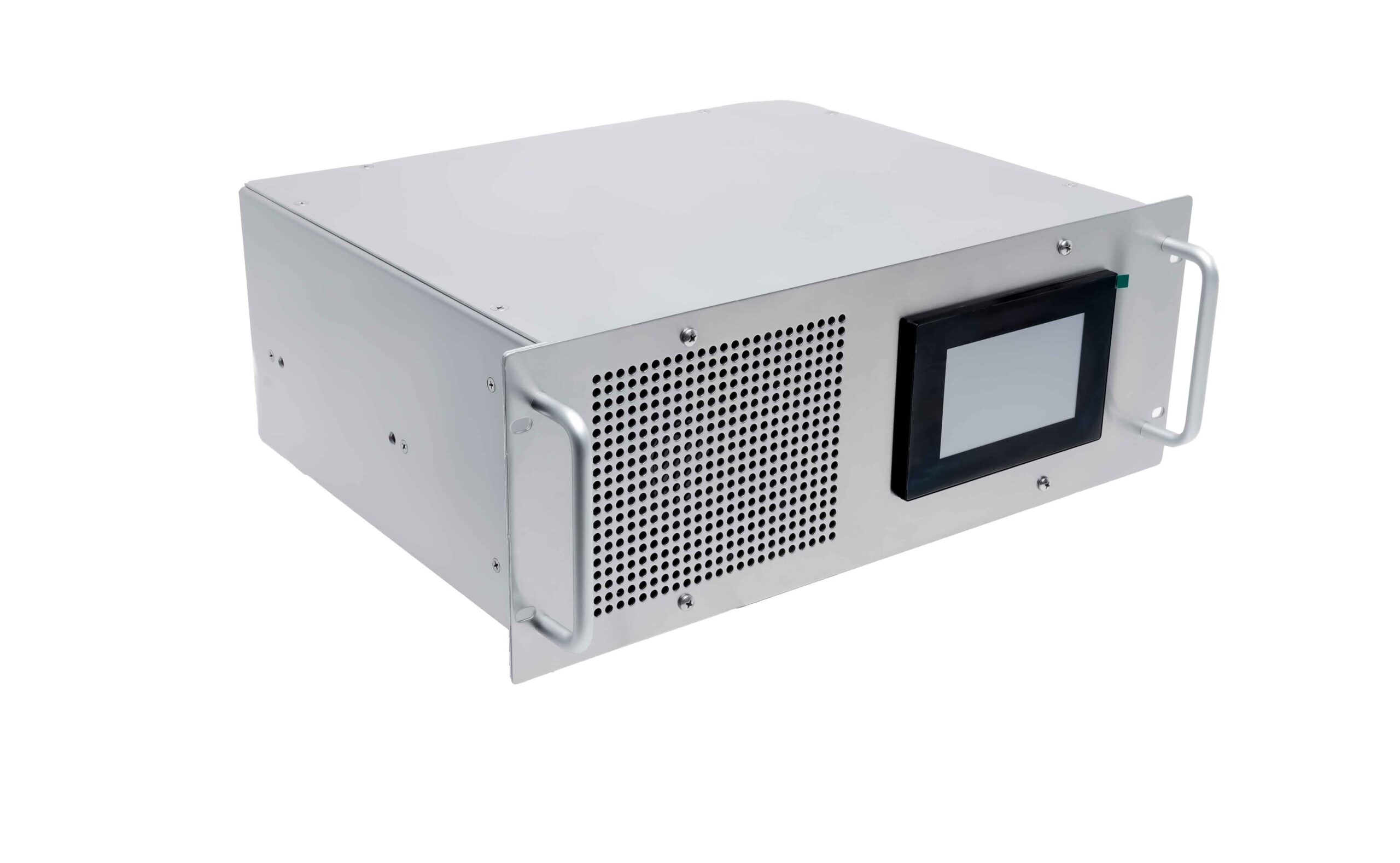
Actual Atlas ozone generator equipment photograph from supplied Marketing 2026 archive

Commercial Ozone Generators

ATLAS · 30–100 g/h · 20–50 PSIG

Multiple ozone output, oxygen flow, concentration and pressure configurations for engineered applications.

Explore this range
Model Ozone (g/h) Pressure (PSIG) O₃ concentration Max. power
ATLAS 30 30 20 9–12% 500 W
ATLAS 30C 30 20 9–16% 500 W
ATLAS UHC 20 20 9–22% 350 W
ATLAS 60 60 25–40 6–12% 700 W
ATLAS 80 80 25–40 5–12% 770 W
ATLAS 100 100 30–50 5–12% 900 W

Rated generator output is not the same as ozone transferred into water. Oxygen supply, operating conditions, water chemistry, injection, contact time and off-gas controls are evaluated for each project.
Low-pressure 60 LP variant: published output ratings conflict (20 vs 60 g/h); specification pending supplier confirmation.

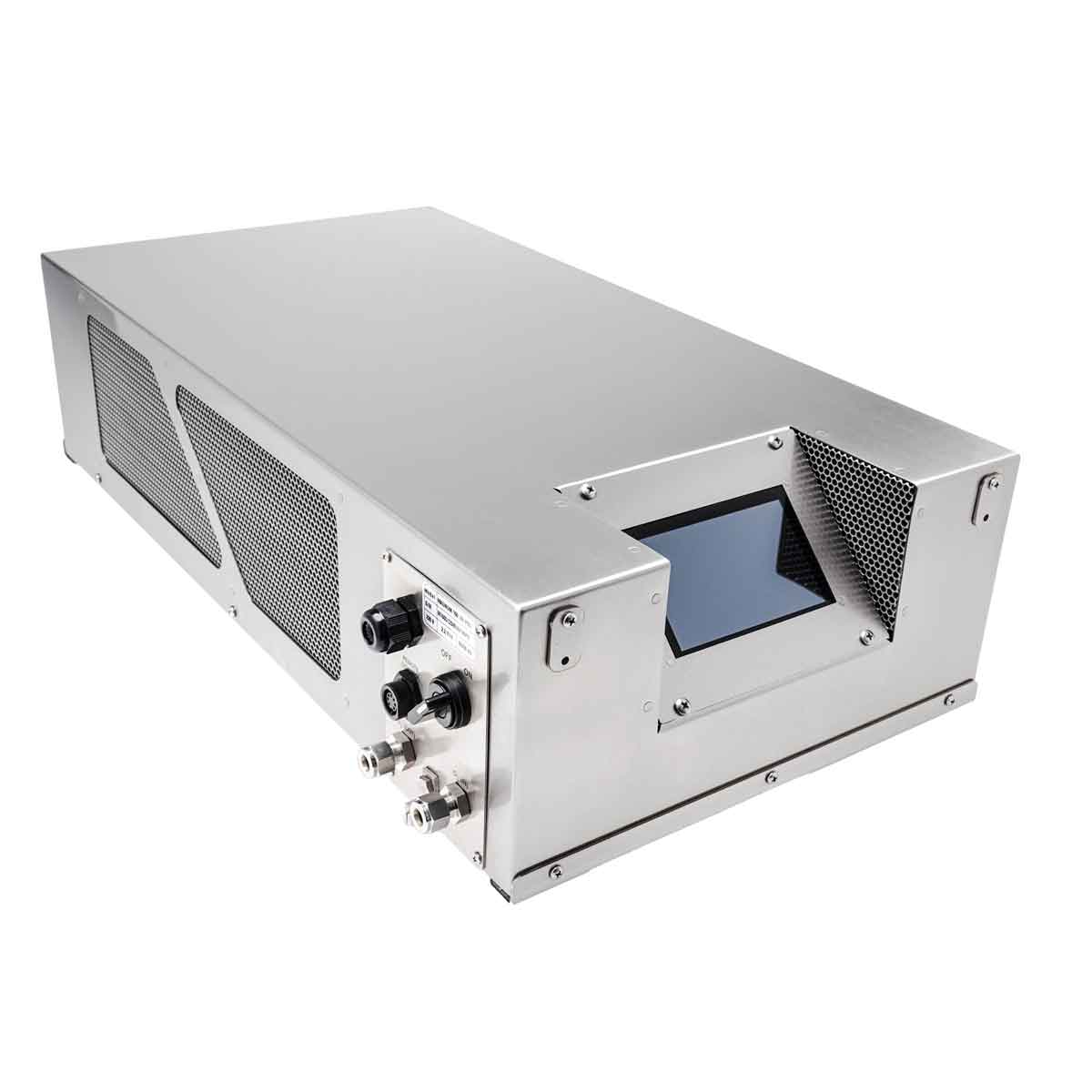
Actual Titan ozone generator equipment photograph from supplied Marketing 2026 archive

Rack-Mounted Ozone Generators

TITAN · 30–100 g/h · 20–50 PSIG

Space-conscious equipment for integrated treatment systems and organized equipment rooms.

Explore this range
Model Ozone (g/h) Pressure (PSIG) O₃ concentration Max. power
TITAN 30 30 20 9–12% 500 W
TITAN 30C 30 20 9–16% 500 W
TITAN UHC 20 20 9–22% 350 W
TITAN 60 60 25–40 6–12% 700 W
TITAN 80 80 25–40 5–12% 770 W
TITAN 100 100 30–50 5–12% 900 W

Rated generator output is not the same as ozone transferred into water. Oxygen supply, operating conditions, water chemistry, injection, contact time and off-gas controls are evaluated for each project.
Low-pressure 60 LP variant: published output ratings conflict (20 vs 60 g/h); specification pending supplier confirmation.

Actual Magnum ozone generator equipment photograph from supplied Marketing 2026 archive

High-Capacity Ozone Generators

MAGNUM · 160–200 g/h · 30–50 PSIG

Higher-output equipment for larger commercial and industrial water treatment requirements.

Explore this range
Model Ozone (g/h) Pressure (PSIG) O₃ concentration Max. power
MAGNUM 160 160 30–50 6–12% 1540 W
MAGNUM 200 200 30–50 6–12% 1800 W

Rated generator output is not the same as ozone transferred into water. Oxygen supply, operating conditions, water chemistry, injection, contact time and off-gas controls are evaluated for each project.
MAGNUM 120 LP: 120 g/h at 20 PSIG, listed separately as a low-pressure variant.

Understanding Generator Capacity and Oxygen Requirements

Ozone output (g/h)

The mass of ozone produced per hour at stated operating conditions. It is not the mass necessarily transferred into water.

Oxygen feed (SLPM)

The oxygen flow supplied to the generator. Flow, purity and pressure affect the operating point and achievable ozone output.

Ozone concentration

Typically stated as a percentage by weight or g/Nm³. Concentration changes with operating conditions and matters for injection design.

Complete treatment system

Effective treatment also depends on injection, mixing, contact time, water demand, monitoring and safe off-gas management.

How Puroxi Selects the Correct Generator

01Understand the water

Review a recent water analysis, including BOD and COD where relevant, plus application-specific parameters.

02Confirm treatment objectives

Identify what must be removed, oxidized, disinfected or controlled, and the required treated-water quality.

03Establish system conditions

Check flow, volume, turnover, operating hours, temperature, power and existing treatment equipment.

04Engineer the complete system

Match generator and oxygen supply with injection, mixing, contact tank, ozone destruction, monitoring and safeguards.

Let Your Water Analysis Guide the System Design

Please send Puroxi a recent laboratory water analysis, including BOD and COD when applicable, along with your water volume, flow rate, treatment objectives, operating hours, location, power availability, existing equipment, site photographs and drawings. Additional tests may be needed depending on the application.

Our engineering team reviews the information before recommending a generator and complete ozone treatment system. The calculator provides preliminary guidance—not a final equipment selection.

Equipment photographs and model-by-model technical specifications will be inserted only after confirmation. Published generator performance depends on stated test conditions; certification and electrical requirements must be confirmed for the selected configuration.

SECTION 3 · ENGINEERED SYSTEM DESIGN

Complete Puroxi Ozone Treatment Systems

An ozone generator is only one part of an effective water treatment system.

Successful ozone treatment depends on how ozone is produced, introduced into the water, mixed, given appropriate contact time, monitored and safely managed. Puroxi brings these components together in a system designed around the customer's water analysis, treatment objectives and operating conditions.

How the complete system works

1. Oxygen Supply

A properly specified oxygen source supplies the required purity, flow and pressure.

2. Ozone Generator

Converts part of the oxygen feed into ozone at verified operating conditions.

3. Injection & Mixing

Introduces ozone using a Puroxi CPVC + PTFE nano bubble nozzle or engineered Venturi/static mixer.

4. Contact & Separation

Provides application-specific contact and separates undissolved gas where needed.

5. Monitoring & Protection

Measures critical conditions and manages off-gas through suitable destruction and safety controls.

Important: This is a simplified process illustration, not an installation or piping diagram. Water circulation, gas piping, contact vessels, off-gas treatment, sensors, valves and interlocks must be engineered for each application. A check valve alone is not sufficient backflow protection.

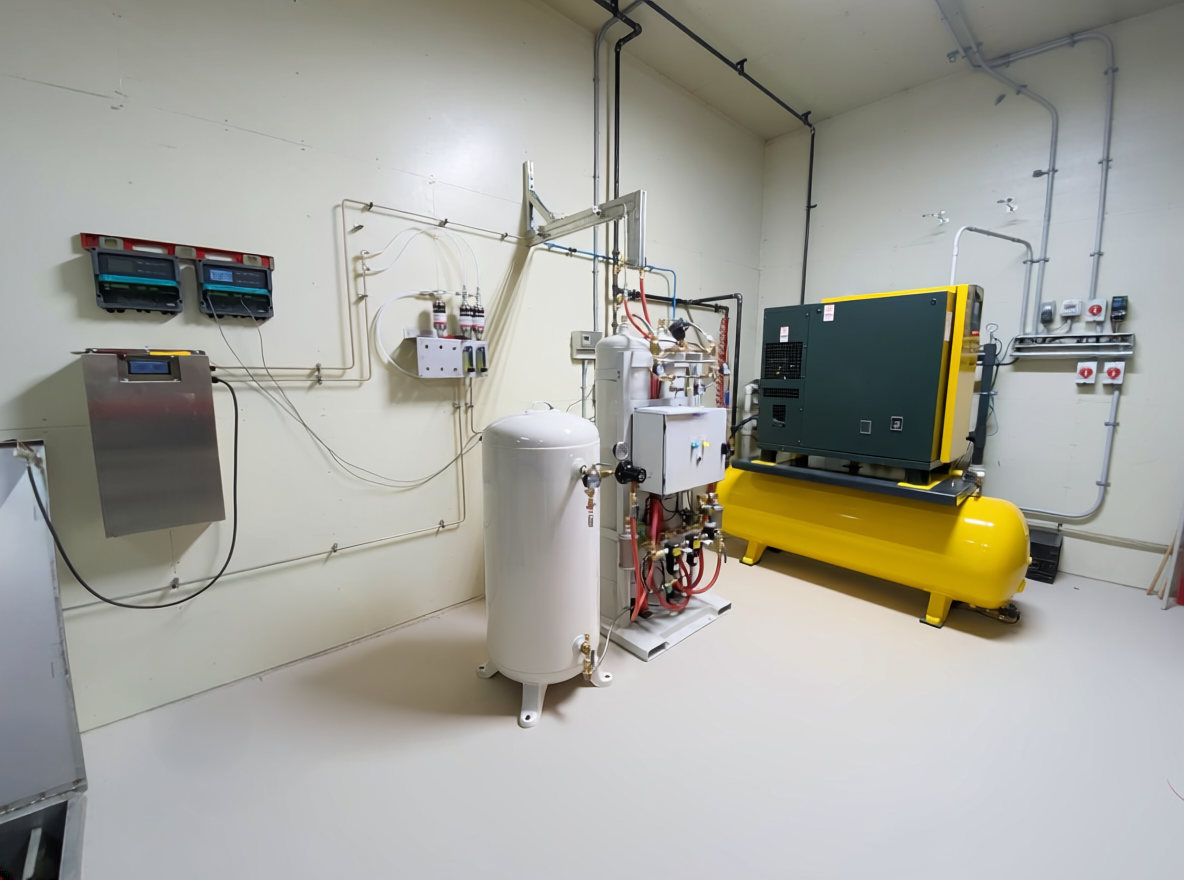
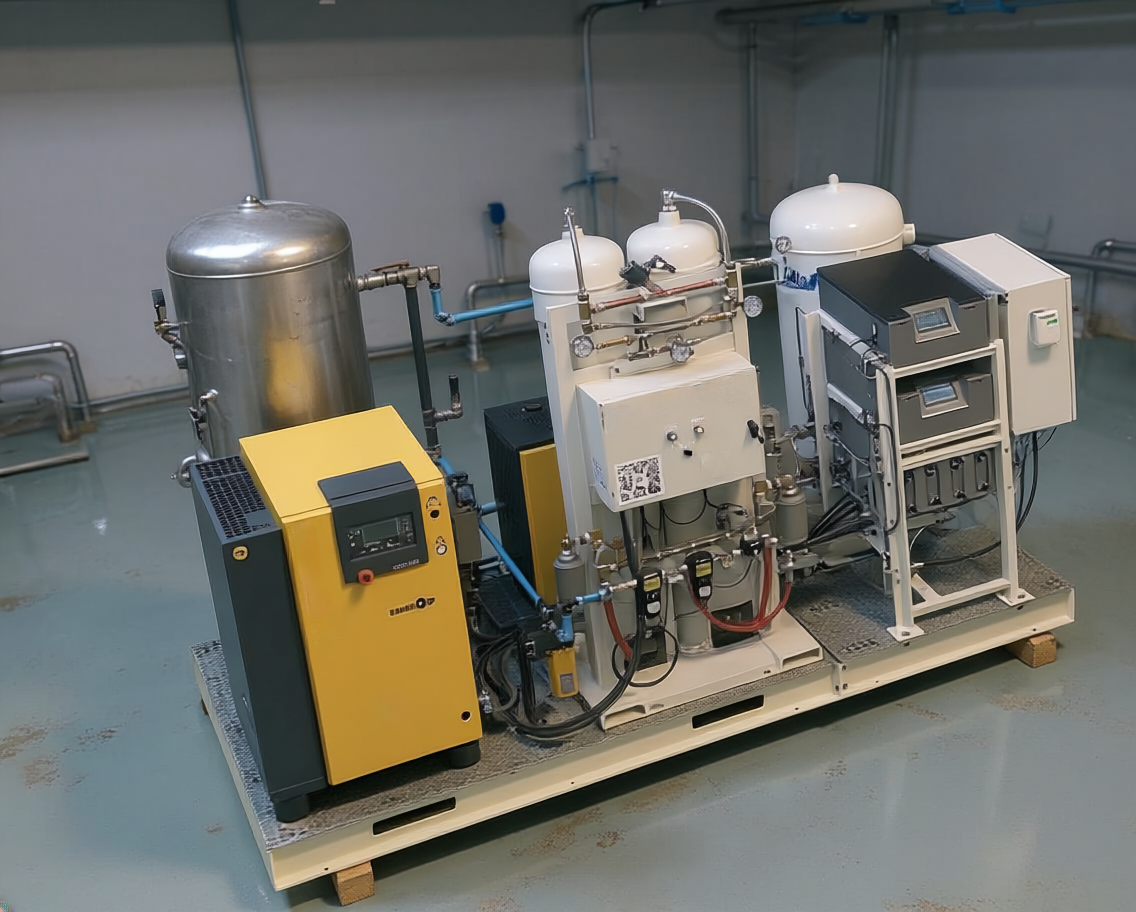
Oxygen Supply & Ozone Generation

Ozone production is affected by oxygen purity, feed-gas flow, pressure and the generator's operating point. We match the oxygen source and generator together rather than selecting equipment from g/h output alone.

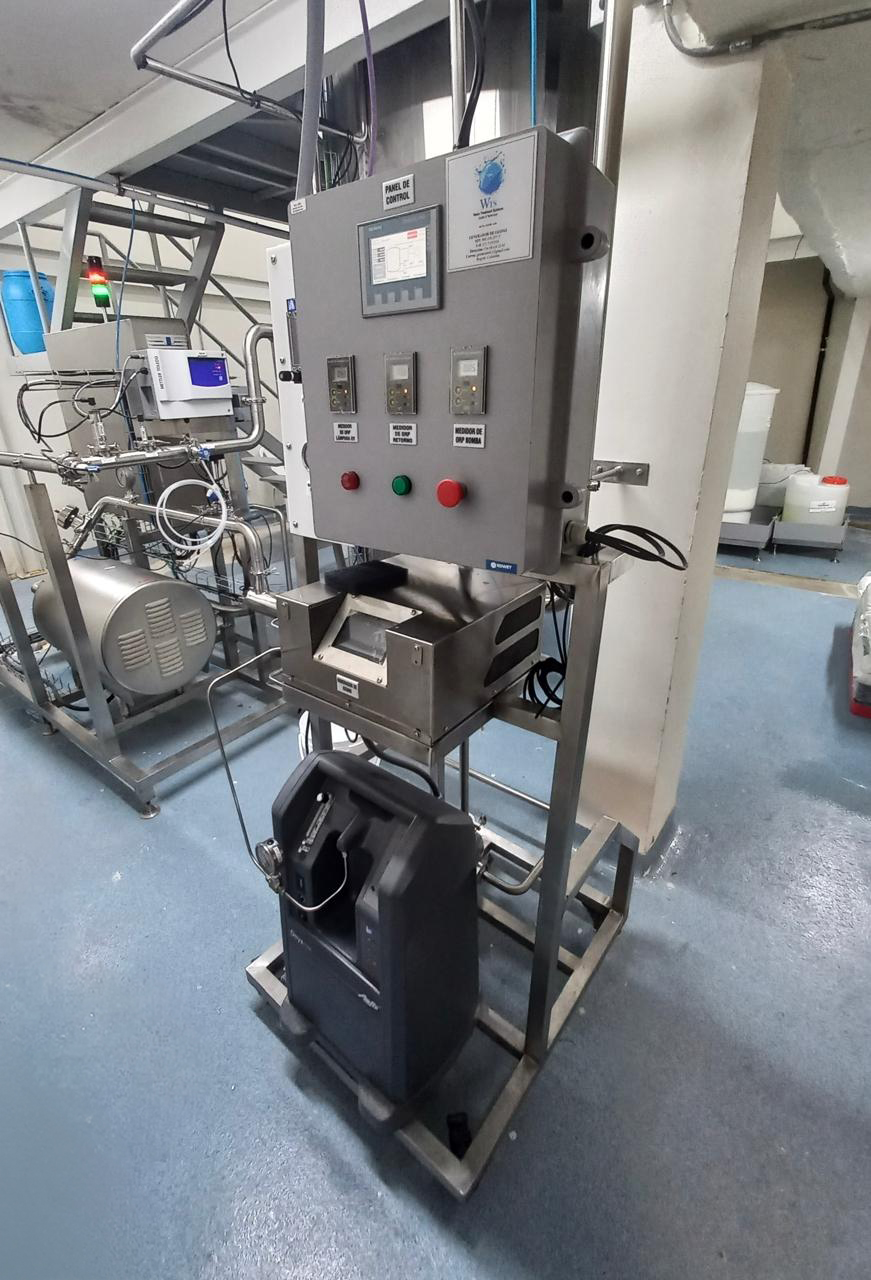
Oxygen generation equipment
Oxygen supply equipment

Injection & Mixing

Our premium Puroxi CPVC + PTFE Nano Bubble Nozzles are one option. An ozone-compatible Venturi and static mixer may be better suited to other flow, pressure or process conditions. The selection is based on system engineering, not an assumed transfer-efficiency claim.

Actual Puroxi CPVC and PTFE nano bubble nozzle with gas tubing and fittings
Puroxi CPVC + PTFE Nano Bubble Nozzle
Venturi injection equipment

Contact Tanks & Recirculation

Depending on the treatment objective, a system may use an appropriately designed contact vessel, holding tank or recirculation loop. Flow, mixing, hydraulic residence time and actual effective contact conditions must be evaluated; nominal tank volume alone does not establish treatment performance.

Example pressure vessel for contact system planning
Example vessel — suitability for ozone, pressure and contact duty requires verification.

Off-Gas Destruction & Safety

Undissolved ozone may require gas separation, controlled venting and an appropriately sized ozone destructor. Designs also consider ventilation, ozone-resistant materials, engineered backflow protection, leak detection and automatic shutdown interlocks.

Ozone destructor equipment

Monitoring & Controls

Depending on the application, monitoring may include water flow, pressure, dissolved ozone, oxidation-reduction potential (ORP), ambient ozone and other water-quality measurements. ORP alone does not measure dissolved ozone concentration. Control logic should respond safely to low flow, loss of oxygen, high ozone or other abnormal conditions.

Ozone monitoring equipment
Monitoring equipment

Application-Specific Engineering

We review BOD, COD and other relevant laboratory results alongside water volume, flow, operating hours, treatment goals, site conditions and existing equipment. For potable water and bromide-containing sources, regulatory requirements and potential bromate formation must also be assessed.

Start With Your Water Analysis

Send Puroxi a recent laboratory water analysis (including BOD and COD where relevant), water source and treatment objective, volume, flow rate, operating hours, photographs, existing equipment, power details and installation location. Our engineering team will identify any additional testing required before recommending the generator, oxygen supply, injection equipment, contact arrangement and safety controls.

Open the Preliminary Ozone Calculator → Ask a Water Specialist →
SECTION 4 · WATER TREATMENT APPLICATIONS

Ozone Treatment Applications

Different water sources require different treatment strategies. Select an application below to understand common water-quality challenges, where ozone may fit, and the information our engineering team needs to assess the system.

Wastewater Treatment

Water-quality challenges and possible treatment approach

BOD, COD, colour, odour, suspended solids and variable organic loads may complicate wastewater treatment. Ozone can be evaluated for targeted oxidation, colour and odour reduction, and as one step in a broader treatment process. It does not replace biological treatment or guarantee BOD/COD removal.

Information needed for system sizing

Recent laboratory BOD and COD, TSS, pH, temperature, flow (average and peak), daily volume, discharge or reuse limits, existing treatment stages, target contaminants and operating schedule.

Drinking Water Treatment

Water-quality challenges and possible treatment approach

Raw water may contain microorganisms, taste- and odour-causing compounds, iron, manganese or natural organic matter. Properly engineered ozone treatment may support oxidation and disinfection, often with downstream filtration and other required barriers. Bromide and potential bromate formation must be evaluated.

Information needed for system sizing

Source-water analysis, microbiological indicators, bromide, TOC/DOC, pH, alkalinity, temperature, iron, manganese, turbidity, design and peak flow, treatment objectives and local drinking-water requirements.

Cooling Tower Water

Water-quality challenges and possible treatment approach

Cooling systems face biofilm, microbial growth, scaling, corrosion and changing cycles of concentration. Ozone may be considered as part of a monitored water-management program; it is not a substitute for a site-specific Legionella control plan.

Information needed for system sizing

Tower circulation and makeup/blowdown rates, system volume, cycles of concentration, conductivity, pH, temperature, hardness, alkalinity, corrosion materials, current chemical program and microbial monitoring.

Industrial Process Water

Water-quality challenges and possible treatment approach

Industrial streams vary widely in chemistry, temperature, contaminants and treatment targets. Ozone may support selected oxidation, colour or odour control, and water reuse where testing demonstrates suitability. Bench or pilot testing may be needed.

Information needed for system sizing

Process description, full contaminant analysis, BOD/COD where relevant, flow and volume, pH, temperature, solids, existing chemicals and equipment, reuse or discharge specification, and materials compatibility.

Reservoirs and Lakes

Water-quality challenges and possible treatment approach

Open-water bodies may experience odours, organic contamination, algae and poor circulation. Ozone is not automatically suitable for direct application to a lake or reservoir; contained sidestream treatment may be more appropriate, subject to ecological and regulatory review.

Information needed for system sizing

GPS location, dimensions and depth profile, estimated volume, inflows/outflows, seasonal water quality, algae identification, fish and wildlife presence, treatment objectives, power, pumping options and local environmental permissions.

Aquaculture Water Treatment

Water-quality challenges and possible treatment approach

Recirculating aquaculture systems may require improved water clarity, management of dissolved organics and pathogen-control strategies. Ozone is generally considered in controlled treatment loops with effective residual removal before water returns to fish or shrimp.

Information needed for system sizing

Species and life stage, system volume, daily and peak flow, salinity, pH, temperature, dissolved oxygen, ammonia, nitrite, organic load, biofiltration layout, treatment target and residual ozone monitoring.

Bottled Water Treatment

Water-quality challenges and possible treatment approach

Bottled-water operations may use ozone for validated disinfection and process hygiene. Treatment must account for source-water chemistry, contact conditions, packaging process and applicable bottled-water standards; bromate risk is important when bromide is present.

Information needed for system sizing

Source-water and finished-water analysis, bromide, microbiological targets, pH, temperature, organic carbon, process flow, storage and contact conditions, packaging line requirements and regulatory limits.

Send Us Your Water Analysis

To recommend the correct ozone generator and complete treatment system, Puroxi needs a recent laboratory water analysis, including BOD and COD where relevant, along with your water source, treatment objectives, flow rate, volume, operating hours, site location, power availability, existing equipment, photographs and available piping drawings. Additional tests may be required for your application.

Our engineer will review the information before equipment selection. Preliminary calculator results are not a final system design.

Open the Ozone Calculator →   Ask a Water Specialist →

SECTION 5 · PUROXI OZONE KNOWLEDGE CENTRE

Ozone Knowledge Centre

Understand the principles behind an effective ozone treatment system. Open any topic below to learn why it matters and which information helps our engineers design around your water.

Ozone Mixing and Mass Transfer

How does ozone move from gas into water?

An ozone generator produces ozone in a gas stream. Water treatment depends on transferring enough of that ozone into the water and allowing it to react with the intended constituents. Injection technology, gas flow, water pressure, mixing energy, temperature and water chemistry affect the result.

What Puroxi considers

Puroxi may use its ozone-compatible CPVC + PTFE Nano Bubble Nozzles or an engineered Venturi and static mixing arrangement. Neither option should be assigned a universal transfer-efficiency percentage without application-specific testing.

Information useful for engineering review

Water flow and pressure, oxygen and ozone gas conditions, piping arrangement, treatment objectives and water analysis.

Contact Time and Reaction Conditions

Why does contact time matter?

Ozone reactions require suitable mixing and effective exposure. The time water spends in a tank is not necessarily the time all water is effectively exposed: short-circuiting, gas separation, hydraulics and changing ozone demand can affect treatment.

What Puroxi considers

An appropriately designed contact vessel or recirculation loop may be used. For disinfection, applicable validated contact requirements and residual measurements must be assessed rather than assuming tank volume alone proves performance.

Information useful for engineering review

Design and peak flow, contact-vessel dimensions, target contaminant or microorganism, water temperature, pH and applicable treatment standards.

Recirculation and Water Turnover

Why can recirculation change the system design?

In a recirculating system, water passes through the treatment loop repeatedly. The nominal number of turnovers per day equals daily circulated volume divided by system volume; it does not guarantee complete mixing or uniform treatment.

What Puroxi considers

Puroxi evaluates flow, actual hydraulic mixing, operating hours and treatment goals. A smaller continuous system may be suitable for some applications, but it cannot be selected solely from turnover or a previous project example.

Information useful for engineering review

Total water volume, circulation flow, hours per day, tank geometry, inflows and outflows, and changing organic load.

Ozone Safety and System Protection

What makes an ozone installation safe to operate?

Ozone is a strong oxidant and inhalation exposure is hazardous. Safe installations require suitable materials, controlled gas handling, ventilation, leak monitoring, interlocks and trained operators.

What Puroxi considers

System designs may include oxygen-loss and low-flow shutdowns, ambient ozone alarms, engineered backflow protection, gas-tight connections and safe maintenance procedures. A single check valve is not a complete backflow-protection design.

Information useful for engineering review

Indoor or outdoor location, occupancy and ventilation, equipment layout, gas piping, site rules and applicable safety requirements.

Bromide and Bromate Formation

Why must bromide be checked in some waters?

Ozonating water containing bromide can form bromate, a regulated disinfection by-product in drinking water and bottled water. Formation depends on water chemistry and treatment conditions, so a generic ozone dose is not sufficient to establish compliance.

What Puroxi considers

Puroxi requests bromide and other relevant source-water results and considers pH, organic carbon, ozone exposure and applicable limits. A qualified treatment design may require additional controls or a different approach.

Information useful for engineering review

Bromide, pH, alkalinity, temperature, DOC/TOC, source-water analysis and applicable regulatory limits.

Monitoring, Sensors and Automatic Controls

How do we know the system is operating correctly?

Generator output alone does not prove treatment. Flow, pressure, oxygen supply, dissolved ozone, ambient ozone and other water-quality indicators may need monitoring. ORP is a useful trend indicator in some systems but is not a direct measurement of dissolved ozone concentration.

What Puroxi considers

Puroxi selects instruments and alarms according to the application. Control logic should fail safely when water flow stops, oxygen supply is lost or hazardous ozone conditions are detected.

Information useful for engineering review

Treatment targets, process flow, expected residuals, monitoring location, operator requirements and data logging needs.

Off-Gas Separation and Ozone Destruction

What happens to ozone that does not dissolve?

Undissolved ozone can leave contact equipment in an off-gas stream. It must not be released into occupied or otherwise unsafe areas. Gas separation, controlled routing and an appropriately sized ozone destructor may be needed.

What Puroxi considers

Puroxi evaluates off-gas flow and concentration, separator design, destructor capacity, ventilation and safe discharge arrangements. An ozone destructor is a component of the engineered gas-handling system, not a substitute for leak protection.

Information useful for engineering review

Gas flow, expected off-gas conditions, contact tank and separator layout, discharge location and ventilation conditions.

Begin With a Water Analysis

Please send Puroxi a recent laboratory water analysis, including BOD and COD where relevant, along with the water source, volume, flow, operating schedule, treatment objectives, site photographs, existing equipment and available piping drawings. Drinking-water and bottled-water applications may require bromide testing and other application-specific parameters. Our engineering team will advise whether additional tests are needed.

These articles provide general education only. Equipment selection, ozone dose, contact conditions and safety arrangements require an application-specific engineering review.

Open the Ozone Calculator → Ask a Water Specialist →

ASK A WATER SPECIALIST

Start With Your Water Challenge

Tell us about your water source, flow rate, volume, water analysis, existing equipment and treatment objectives. Puroxi will review the application and work toward an appropriate system recommendation.

Thank you for the opportunity to understand your water.