Puroxi Knowledge Centre
Dissolved Oxygen Systems: The Key to High-Performance Water Treatment Operations
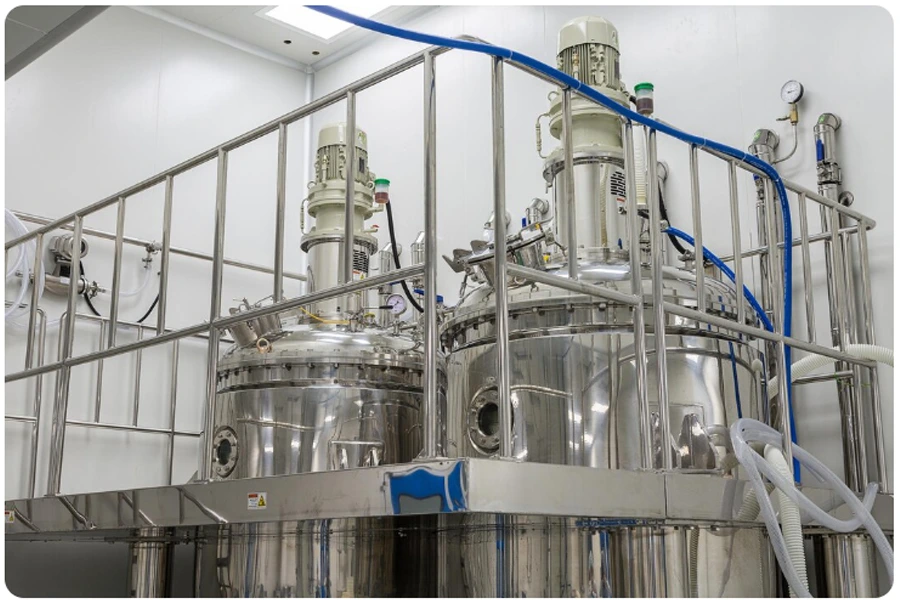
Walk through a water treatment plant on a busy day. Tanks bubble. Air keeps moving. That motion is not just for show. It points to one simple need: water must carry enough oxygen.
That is where the dissolved oxygen system comes into play. When dissolved oxygen is at its ideal level, microbial activity occurs optimally. The process becomes slower when the oxygen level decreases. At Puroxi, the focus remains on maintaining that balance. Without it, even strong setups lose rhythm.
What Happens Inside a Treatment Tank
Most wastewater treatment plants depend on microscopic living organisms. Microbes require oxygen for survival. The microbes consume waste material, allowing them to decompose organic substances in water.
At the same time, they also consume oxygen. That raises the system’s oxygen demand. If fresh air does not keep coming in, the oxygen level drops fast.
Imagine a crowded pond in summer. More activity means more oxygen use. If nothing adds fresh air, the water turns dull. The same pattern shows up in treatment tanks. Because of this, stable dissolved oxygen concentrations keep the process moving at a steady pace.
Why Oxygen Levels Do Not Stay Still
Oxygen levels shift more often than expected. Even well-run plants see changes. A few common reasons stand out:
- Warmer water cannot hold as much oxygen.
- Heavy loads increase the rate at which microbes consume oxygen.
- Poor mixing leaves some areas low on oxygen.
- Sudden spikes raise overall oxygen demand.
Operators must closely monitor the amount of oxygen. A small drop might not show right away. Still, over time, it can significantly affect water quality.
How Aeration Systems Support the Process
To keep oxygen in range, plants use aeration systems. These systems push air into water and help spread it.
Some setups work better than others. A system that sends too much air wastes power. One that sends too little fails to meet demand.
The goal is to increase the amount of oxygen while also reducing the amount of wasted energy. When the balance is right, the plant holds a steady dissolved oxygen level. At the same time, it reduces energy consumption. That makes daily work easier to manage.
Why Oxygen Levels Matter Outside the Plant
Once treated water leaves the site, it flows into rivers and lakes. These water bodies still depend on good oxygen levels.
Low oxygen can harm aquatic life. Fish and plants need it to survive. If oxygen drops, the effects show quickly.
On the other hand, water with higher oxygen supports life and stays clearer. Many municipal wastewater treatment plants now think beyond the plant walls. They look at the long-term impact of what they release.
In one case, a facility improved its oxygen control and saw fewer odour complaints. Nearby streams also looked cleaner. Small changes inside made a clear difference outside.
Why Steady Oxygen Makes Work Easier
Stable oxygen brings steady results. It keeps the system from swinging between good and bad days. When dissolved oxygen concentrations stay in range:
- Microbes stay active and reliable.
- Treatment processes move at a steady speed.
- Equipment faces less wear.
- Energy use stays lower.
- Overall, water quality improves.
Without that balance, operators deal with difficulties. That makes planning harder than it needs to be.
Where Puroxi Helps Make a Difference
Managing oxygen is not only about adding air. It takes a clear plan and the right setup. Puroxi focuses on practical ways to control oxygen flow. The aim is to match real plant needs, not guesswork.
With better control, systems handle change more easily. Whether flow rises or drops, oxygen stays in check. That keeps the system steady without wasting power. Over time, that steady approach supports better output and fewer issues.
Get More from Your Water Treatment System!
Strong treatment depends on steady oxygen. When the dissolved oxygen level stays right, systems work as expected. Water clears faster. Costs stay lower. Nearby water bodies benefit as well.
Facilities that pay close attention to oxygen often see clear gains over time. Fewer issues show up. Results stay more consistent. Take a closer look at how oxygen moves through your system. Small changes can lead to lasting improvement.
It is oxygen gas mixed into water. It helps microbes clean the water.
Microbes need oxygen to live. Without it, they cannot treat waste.
They add air to water and help spread it across tanks.
Yes, warmer water holds less oxygen than cooler water.
Yes, it avoids waste and reduces energy consumption over time.