
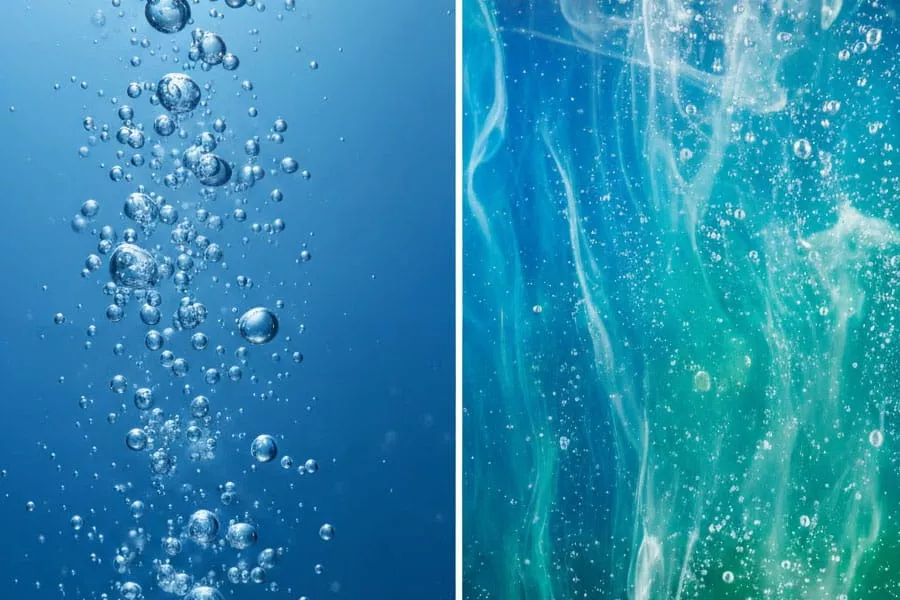
Wastewater treatment is a well-established component of modern infrastructure, and it is under increasing pressure from tightening environmental requirements, rising energy costs, and more complex wastewater streams. Traditional aeration technologies, once effective at maintaining aerobic biological activity, are becoming less effective and more expensive. Microbubble and nanobubble aeration is emerging as a new phase in wastewater treatment, delivering groundbreaking performance.
Here in the blog, we discuss why conventional aeration should be upgraded, how the microbubble and nanobubble technologies can provide the solution, the benefits achieved by such systems, the latest technologies offered by the market leaders, such as ClearBlu, and the ways companies such as Puroxi have used such technologies to make their clients successful.
Traditional wastewater aeration systems rely heavily on compressed-air diffusers or mechanical mixers to inject large bubbles into treatment basins. The main limitations associated with these technologies, which hinder the performance, are as follows:
Diffused aeration typically generates bubbles with diameters of a few millimetres. These bubbles take only a short time to reach the surface and do not have enough time to interact with the liquid; therefore, they are ineffective at oxygen transfer. In most traditional systems, only a small portion of the added oxygen reaches the water, and the energy is wasted, limiting biological processes.
As much as 50-70 percent of a wastewater plant’s energy budget can be used for aeration. Conventional blowers and compressors must run continuously to maintain dissolved oxygen (DO) levels, resulting in high operating costs.
A low oxygen supply may inhibit the complete aerobic breakdown of organic matter. This results in high sludge levels, foul odours, and costly sludge-handling procedures, such as hauling and dredging.
Diffusers and mechanical aerators are highly susceptible to fouling, require regular maintenance, and tend to fail when influent loads change. These operational challenges complicate wastewater management and increase costs.
Combined, these weaknesses provide a strong case for reconsidering the approach to oxygen delivery in wastewater systems, and that is where microbubble and nanobubble technologies come in.
The fundamental principle of aerobic wastewater treatment is simple: the higher the oxygen delivery rate, the better the biological performance. Aerobic bacteria require dissolved oxygen to break down organic pollutants, produce nitrate (nitrification from ammonia), and control odour. Traditional large bubbles do not provide sufficient surface area or contact time to maximize oxygen transfer.
Introduce microbubbles and nanobubbles – ultrafine gas bubbles, which act completely unlike the larger ones.
This extended residence period, combined with a large collective surface area, results in a high oxygen transfer rate to the liquid phase, creating an environment where aerobic bacteria flourish, and organic material is further and more fully broken down.
Microbubble and nanobubble aeration systems have several significant benefits over traditional aeration:
Micro/nanobubble systems significantly extend bubble contact time with the liquid and increase the total gas-liquid interface area compared to traditional fine-bubble aerators. This increase in dissolved oxygen levels throughout the water column increases the rate of biological oxidation.
Since these systems are more efficient at delivering oxygen, they can achieve the same or better aeration results with lower blower power and air volume, thereby saving significant energy in the facilities.
A greater oxygen supply supports larger populations of aerobic organisms, which consequently accelerate the degradation of BOD (biochemical oxygen demand), TSS (total suspended solids), and nutrients such as nitrogen and phosphorus. Nanobubble implementations have demonstrated improved performance in removing nitrogen and phosphorus by increasing oxygen penetration into microbial flocs.
Increased oxygen levels and microbial activity may lead to more complete organic digestion, resulting in less excess sludge and lower hauling and disposal costs.
Aerobic environments suppress the formation of anaerobic byproducts that produce odorous substances, and they help reverse pathogen inactivation, enhancing the quality of effluent and the worker environment.
Nanobubbles facilitate further oxidation and generate reactive oxygen species during bubble collapse, which help break down recalcitrant organic molecules in the absence of chemical additives.
Collectively, these considerations render micro- and nanobubble aeration a promising addition to municipal and industrial wastewater systems that require efficiency and sustainability.
ClearBlu Environmental is an innovator in microbubble aeration, and its systems demonstrate how aeration technology has advanced. Compared to conventional aerators, Puroxi’s products produce ultra-fine bubbles with diameters below 0.0001–0.0002 mm and generate billions of micro-scale gas bubbles per cubic foot of injected air.
Such ultra-fine bubbles take longer to settle than larger bubbles in conventional diffusers and cover a significantly larger cumulative surface area, enhancing oxygen uptake and promoting stable, aerobic biological systems.
These results emphasize the potential of fine-bubble aeration, grounded in sound physical principles, to significantly enhance wastewater treatment performance while reducing operational costs and environmental impact.
Real-world applications demonstrate the efficacy of micro and nanobubble aeration systems:
successful applications and benefits noted in real installations:
In industries such as aquaculture, agriculture, food processing, and municipal water/wastewater treatment plants, cooling towers, reservoirs and ponds, advanced bubble aeration is yielding higher-quality effluents and reduced energy expenditures and maintenance overheads.
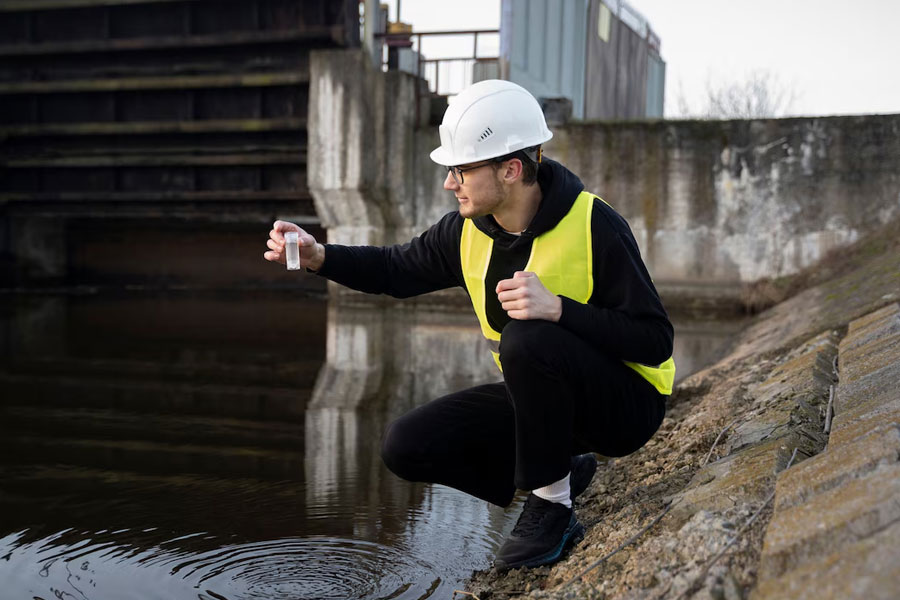
Driven by environmental compliance requirements, operational cost pressures, and sustainable practices across utilities and industries, microbubble and nanobubble aeration technology will be central to next-generation wastewater infrastructure. Its ability to deliver oxygen with unprecedented efficiency, reduce sludge and chemical use, enhance the effectiveness of biologists, and minimize energy costs aligns well with the future of intelligent, resilient treatment systems.
Furthermore, with the advent of digital monitoring and automation, micro- and nanobubble systems will be integrated with advanced controls to optimize oxygen delivery in real time based on actual conditions, further improving performance.
Puroxi plays a crucial role in the contemporary wastewater landscape, leading innovation and practice in helping customers adopt the latest microbubble and nanobubble aeration technologies that deliver quantifiable outcomes. Whether retrofitting existing plants or designing new treatment systems, Puroxi’s experience ensures facilities receive sustainable, cost-effective aeration systems that address tomorrow’s challenges.

Puroxi Pure Water Global Inc was shortlisted for the awards category, Water Solutions Provider of the Year! As highlighted, it was some good news. I can confirm you that you have been chosen as the 2023/24 winners. Congratulations Zak! The generic winner’s logo has been attached which you can utilize to promote the recognition and the official press release will be conducted in March (defined date to come
© 2026 PUROXI. All Rights Reserved.
Crafted with Love: DigiCorns

Contact Us