Puroxi Knowledge Centre
7 Signs Your Water Treatment System Has Low Oxygen Transfer Efficiency
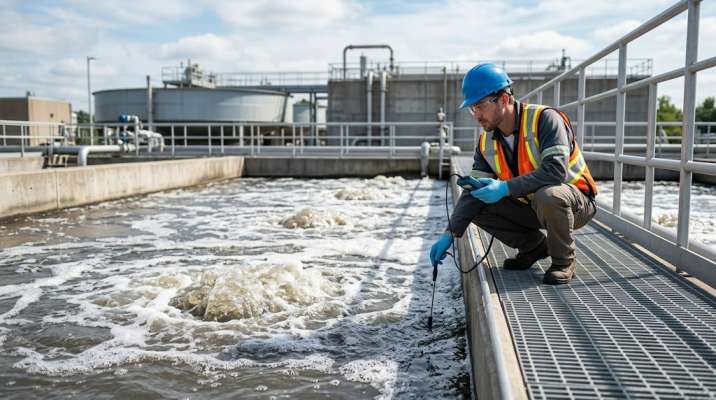
In water treatment systems, efficient oxygen transfer is crucial for clean, healthy, and balanced water. A decrease in oxygen transfer means a decrease in water quality. Equipment also runs harder and costs more to run. Thus, early detection of these warning signs enables high-cost repairs and performance problems to be avoided.
Whether you manage a cooling tower, wastewater treatment plant, pond, or industrial water system , oxygen transfer efficiency plays a vital role. Fortunately, there are a number of indicators that can show that a problem is present before it becomes a serious issue.
What is Oxygen Transfer Efficiency?
The efficiency of oxygen transfer is the ability of a system to transfer oxygen to water. Bacteria are beneficial at higher DO. These bacteria degrade the organic matter and enhance water quality.
Biological activity is slowed due to poor oxygen transfer. This causes accumulation of contaminants, higher odors, and reduced treatment efficiency.
1. Dissolved Oxygen Levels Keep Falling
The first indication is that dissolved oxygen (DO) is always low. A healthy water system must have sufficient oxygen for biological treatment. If DO readings are low and normal operations have not affected them, however, the efficiency of your oxygen transfer may be decreasing.
Common causes include:
- Dirty diffusers
- Clogged equipment
- Poor water circulation
- Worn aeration components
- Excess organic waste
Regular DO testing helps identify problems before they affect the entire system.
2. Bad Odors Become More Noticeable
Unpleasant smells often indicate oxygen deficiency.
When oxygen levels drop, anaerobic bacteria begin breaking down waste. These bacteria produce hydrogen sulfide and other foul-smelling gases.
Common odors include:
- Rotten eggs
- Musty smells
- Sewage-like odors
Therefore, persistent odors should never be ignored.
Adding oxygen through advanced solutions like PUROXI OB Oxygen Booster can help restore healthy dissolved oxygen levels while improving overall treatment performance.
3. Sludge Builds Up Faster
Efficient oxygen transfer supports beneficial microorganisms. These organisms digest organic waste continuously.
However, low oxygen slows this natural process. Consequently, sludge accumulates more quickly.
You may notice:
- Thicker sludge layers
- More frequent cleaning
- Reduced treatment capacity
- Higher disposal costs
If sludge increases without another clear reason, poor oxygen transfer could be responsible.
4. Water Looks Cloudy or Discolored
Clear water usually indicates balanced biological activity.
Conversely, cloudy or dark water often signals oxygen problems.
Low oxygen encourages unwanted bacteria and suspended solids. These materials reduce water clarity.
Signs include:
- Brown water
- Green water
- Floating particles
- Murky appearance
Improving oxygen transfer often restores water clarity over time.
For larger systems, PUROXI Oxygen and Ozone Generators deliver reliable oxygen support while improving oxidation and overall water treatment efficiency .
5. Algae Growth Increases
Excessive algae often develop when oxygen transfer efficiency decreases.
Poor circulation and low oxygen create favorable conditions for algae blooms. As algae spread, oxygen levels fall even further during nighttime respiration.
This creates a damaging cycle.
Warning signs include:
- Green surface growth
- Slimy walls
- Floating algae mats
- Frequent blooms
Addressing oxygen deficiency early helps prevent recurring algae problems.
6. Energy Costs Continue Rising
Higher electricity bills may indicate declining oxygen transfer efficiency.
When equipment cannot transfer oxygen effectively, blowers and pumps operate longer. Therefore, energy consumption increases without improving performance.
Watch for:
- Longer blower run times
- Continuous pump operation
- Higher utility bills
- Reduced system output
Improving oxygen transfer often lowers operating expenses while extending equipment life.
7. Water Treatment Results Become Inconsistent
An efficient system delivers consistent treatment results.
However, low oxygen often causes fluctuating water quality.
You may experience:
- Variable DO readings
- Poor biological activity
- Inconsistent contaminant removal
- Frequent maintenance issues
If treatment performance changes unexpectedly, oxygen transfer deserves immediate evaluation.
Common Reasons for Low Oxygen Transfer Efficiency
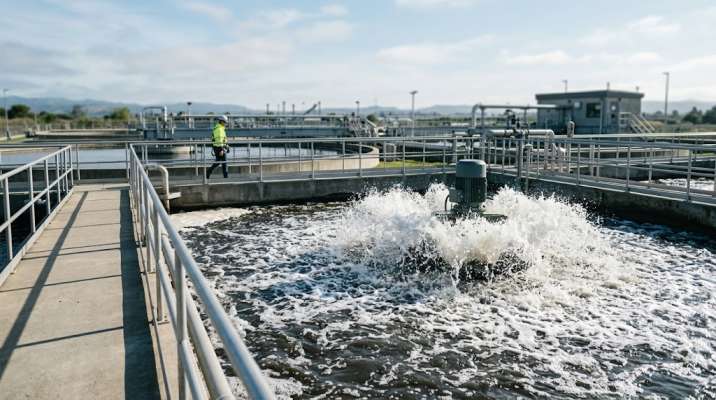
Several factors reduce oxygen transfer over time.
These include:
- Dirty aeration equipment
- Mineral scaling
- Biofilm buildup
- Incorrect airflow
- Poor diffuser placement
- Aging components
- High organic loading
Routine inspections help detect these problems early.
How to Improve Oxygen Transfer Efficiency
Fortunately, many solutions improve oxygen transfer without replacing your entire system.
Consider these best practices:
- Clean diffusers regularly.
- Monitor dissolved oxygen daily.
- Remove accumulated sludge.
- Improve water circulation.
- Maintain blowers and pumps.
- Reduce excessive organic loading.
- Upgrade oxygen delivery systems.
Additionally, using specialized water treatment products improves long-term efficiency.
PUROXI Water Purification solutions help optimize water quality while supporting healthier biological activity. Combined with oxygen enhancement technologies, they create a more efficient treatment process.
Why Early Detection Matters?
Ignoring low oxygen transfer affects every part of your treatment system.
Over time, problems become larger and more expensive.
Early action helps:
- Improve water quality
- Reduce maintenance costs
- Lower energy consumption
- Extending equipment life
- Supporting beneficial bacteria
- Prevent odor problems
- Increase treatment efficiency
Therefore, routine monitoring remains one of the smartest maintenance investments.
If you want reliable, customized water treatment solutions, PUROXI can help. PUROXI provides effective, customized solutions for water treatment, purification, and conservation with a family of natural products and unsurpassed expertise. From PUROXI OB Oxygen Booster to Water Purification solutions and Oxygen and Ozone Generators , PUROXI delivers innovative technologies that improve oxygen transfer efficiency while supporting cleaner, healthier water systems.
Dirty equipment, clogged diffusers, poor circulation, excessive sludge, and aging components commonly reduce oxygen transfer efficiency significantly.
Check dissolved oxygen daily for critical systems to maintain stable treatment performance and prevent unexpected operational problems.
Yes. Poor oxygen transfer forces equipment to be longer operation, increasing electricity consumption, maintenance requirements, and repair expenses considerably.
Yes. Beneficial bacteria require adequate dissolved oxygen for efficient waste breakdown and consistent water treatment performance daily.
PUROXI OB Oxygen Booster, Nano Bubble Generators, Oxygen/Ozone/Nano Bubble Generators, Diffused and Surface Aeration, and Water Purification solutions designed to enhance treatment efficiency effectively.