Puroxi Knowledge Centre
Bubble Tank Aeration Systems vs Traditional Aeration: Performance Comparison- Comparison Of All Three Systems
Aeration is a crucial aspect of water treatment. It aids in transporting oxygen and enhances water quality. But not every aeration method works equally. Thus, comparing bubble tank aeration systems with old-fashioned aeration systems helps you make the right choice.
The two methods serve similar purposes. However, they vary in efficiency, cost, and maintenance. Knowledge of these differences helps industries perform better and spend efficiently.
What is Bubble Tank Aeration?
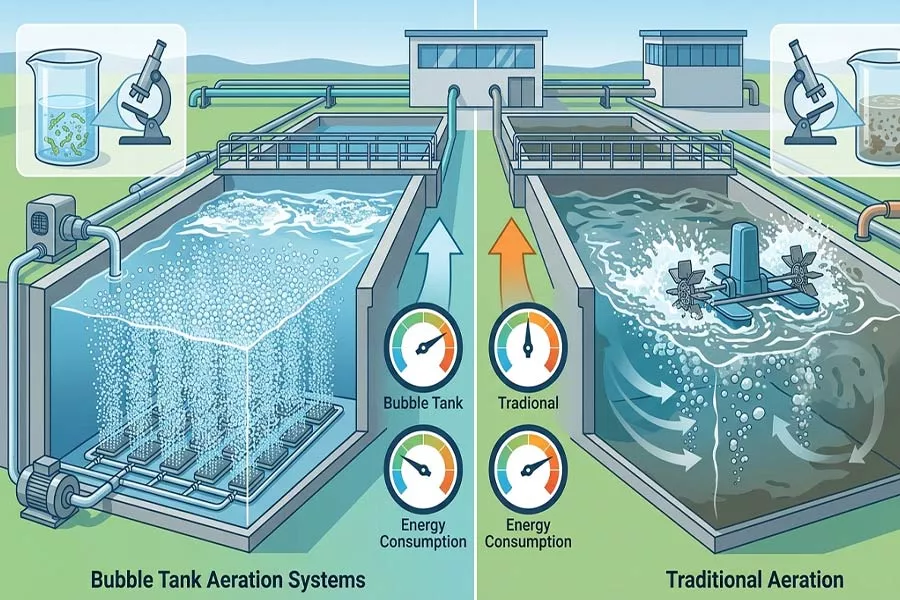
Aeration of bubble tanks involves using a bubble tank cabinet and injecting oxygen into the water. Instead of making small bubbles in the liquid, it turns the entire liquid into bubbles. Consequently, oxygen exchange is more effective.
Furthermore, turning the entire liquid into bubbles maximizes contact with water. Thus, they enhance the rates of oxygen absorption. This is a unique modern treatment system used by industries.
What Is Traditional Aeration?
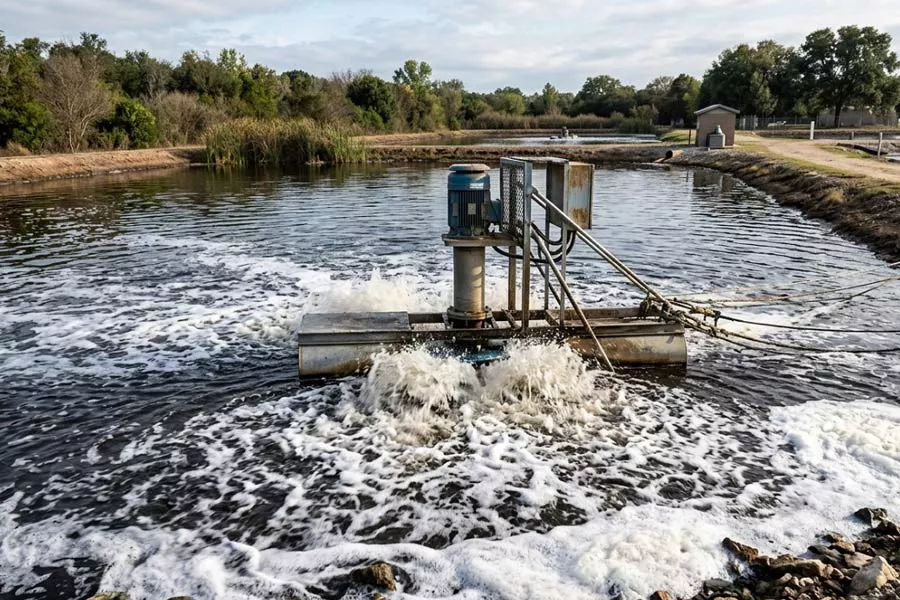
Mechanical systems like paddle wheel, diffused and surface aerators are considered traditional aeration. Such techniques stir water to add oxygen.
Bigger bubbles rise rapidly. Consequently, oxygen transfer is inhibited. Hence, in numerous applications, efficiency becomes an issue.
Performance Comparison: Key Factors
You need to compare the two systems across key performance areas to make a definite choice.
1. Oxygen Transfer Efficiency
Bubble tank systems are ideal for oxygen transfer. All liquids to be processed will form several soap-like bubbles, with the surrounding gas forming a thin liquid film, enabling extremely efficient gas transfer. Thus, they dissolve increased oxygen.
Compared to this, traditional aeration generates bigger bubbles. These bubbles burst out. Consequently, the efficiency of oxygen transfer is reduced.
2. Energy Consumption
Energy efficiency is important for long-term operations. Less energy is used in bubble tank aeration to have better results. Thus, it lowers the operation costs.
Conversely, conventional systems need higher power. Agitation is a very energy-consuming process. This results in higher electricity bills.
3. Maintenance Requirements
Maintenance affects system reliability and costs. Bubble tank systems are less frequently maintained. There is reduced wear on their components.
But conventional aerators do have moving parts. These are the components that become worn out easily. Thus, the maintenance costs increase with time.
4. Installation Flexibility
Bubble tank systems offer flexible installation. You may install it on land or directly in a water body. Hence, they are applicable in various industries.
Conventional aerators usually require a specific setup. This makes installation more difficult and more expensive.
5. Noise and Environmental Impact
Traditional aerators, generate more noise. Mechanical systems produce vibrations and sound. As a result, they can disrupt operations in the vicinity.
Advantages of Bubble Tank Aeration Systems
Aeration systems can be classified into bubble tank systems, which offer several clear advantages. Hence, most industries have started favouring them over the conventional approaches.
- Higher oxygen transfer efficiency
- Lower energy consumption
- Reduced maintenance costs
- A more diverse application process
- Better adaptability to different systems.
Moreover, the systems contribute to sustainable operations. They reduce energy consumption and environmental impact.
The benefits of the Traditional Aeration Systems
There are some advantages of traditional aeration, despite the limitations. Thus, it is still applicable in some cases.
- Simple design and operation
- Lower initial investment in some cases
- Suitable for small-scale applications
- Easy availability of components
These benefits are usually determined by the project’s requirements.
Cost Comparison Over Time
First cost usually plays a role in decision-making. Conventional aerators might appear cheaper initially. But the long-term costs are a different tale. Bubble tank systems decrease energy use. Hence, they reduce operational costs. In addition, they have less maintenance.
Conventional systems use up more energy. They require frequent repair as well. This means that the overall costs grow in the long run. Amidst performance and cost appraisal, Puroxi solutions help industries confidently adopt effective aeration technologies.
Application Suitability
The decision on which system to choose will vary depending on your application. Bubble tank aeration is ideal in:
- Wastewater/Drinking water treatment plants
- Industrial processing units
- Aquaculture/Agricultural treatment
- Large-scale water systems
Traditional aeration suits:
- Small treatment setups
- Temporary installations
- Budget-limited projects
Thus, the decision can be made only after you have analyzed your operational needs.
Future Trends in Aeration Technology
Technology is changing rapidly. Hence, energy-efficient solutions are preferred by industries. Bubble tank aeration aligns with this trend. In addition, environmental laws are becoming more stringent. Effective oxygen delivery supports regulatory compliance. Consequently, there is the spread of sophisticated aeration systems.
System performance is also enhanced by automation. Modern aeration systems have intelligent monitoring capabilities. As a result, operators can easily optimize performance.
The Right Choice
Bubble tank vs. traditional aeration is a choice that needs to be assessed. You need to consider efficiency, cost, and application needs. Bubble tank systems are clearly advantageous if you are looking to save money in the long run. They perform optimally with minimum energy consumption. But when budget constraints limit choice, traditional systems can be used. However, consider the future operational costs.
Bubble tank aeration systems excel in many respects over traditional aeration. They offer greater efficiency, lower energy consumption, and reduced maintenance. So, they are a more intelligent option than the present-day industries. Still, there are certain requirements of traditional aeration. However, it does not perform well in the long term. As a result, there is a growing trend towards advanced aeration technologies in industries.
Through the knowledge of these distinctions, you can be informed in making decisions. Finally, partnering with professionals such as Puroxi will help you realize efficient, sustainable, and cost-effective water treatment solutions.
Bubble systems turn all the water they process into bubbles for efficiency, while traditional methods rely on mechanical agitation for oxygen transfer.
Bubble tank aeration systems consume less energy and deliver higher oxygen transfer efficiency over extended operational periods.
They may cost more initially, but they reduce long-term energy and maintenance expenses significantly over time.
Bubble systems need less maintenance, while traditional aerators require frequent repairs due to moving mechanical components.
Bubble tank aeration systems suit large-scale operations due to higher efficiency, scalability, and lower operating costs overall.