Puroxi Knowledge Centre
The Future of Chemical-Free Water Oxygenation: Bubble Tank vs Conventional Aeration
Treatment systems are heavily dependent on water quality. Stable oxygenation processes are necessary for industries, municipalities, and agricultural plants. They also desire improved operating costs and sustainable performance, however.
The traditional aeration systems have been in use for decades. However, there are increasing numbers of facilities now looking for chemical-free alternatives. The solution is to adopt bubble tank technology. It increases the dissolved oxygen and decreases the loss of energy.
So, which option is of more value in the long term? Let’s take a look at the advantages of bubble tank aeration versus standard aeration and how chemical-free oxygenation is driving the future.
The importance of dissolved oxygen
Dissolved oxygen is important for good biological life. Helps reduce organic wastes in an effective way by allowing beneficial microbes to do the job.
When there is not enough oxygen, several issues become apparent, such as:
- Poor biological treatment
- Unpleasant odors
- Sludge buildup
- Reduced treatment efficiency
- Higher maintenance costs
Therefore, maintaining stable oxygen levels remains essential for every water treatment facility.
What Is Conventional Aeration?
Conventional aeration introduces air into water using blowers, diffusers, or mechanical surface aerators.
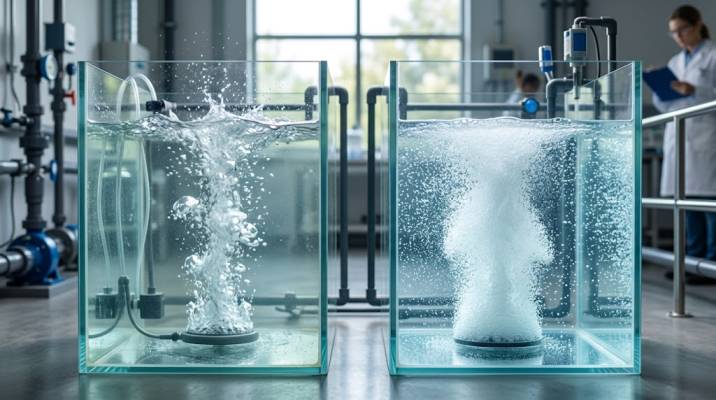
These systems create bubbles that transfer oxygen into the water. Although the method works, oxygen transfer often remains inefficient. Many bubbles quickly rise and burst before enough oxygen dissolves.
As a result, facilities usually increase blower capacity. Unfortunately, this also increases electricity consumption.
Common Conventional Aeration Methods
- Surface aerators
- Fine bubble diffusers
- Coarse bubble diffusers
- Mechanical paddle aerators
- Air blower systems
Each method has advantages. However, all depend heavily on continuous energy input.
What Is Bubble Tank Technology?
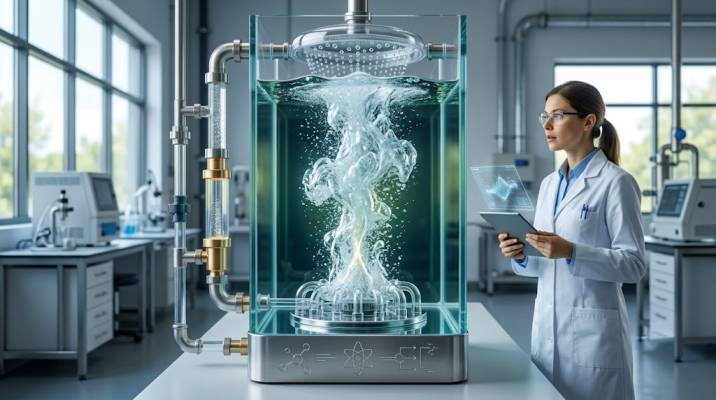
Bubble tank technology efficiently transfers oxygen without chemical additives. The system generates oxygen-enriched bubbles rather than large ones. These bubbles deliver a thin film of oxygen directly into the water. Underwater, oxygen dissolves immediately in greater amounts. As a result, less oxygen reaches the surface, while the water body is continuously filled with large amounts of oxygen.
The dissolved oxygen (DO) levels are naturally increased during the process. Therefore, treatment performance improves without introducing harmful chemicals.
Bubble Tank vs Conventional Aeration
1. Oxygen Transfer Efficiency
Bubble tanks achieve better oxygen transfer because the thin film is continuously dispersed and dissolved into the water rather than being lost to the atmosphere. Conventional aeration loses significant oxygen to the atmosphere. Higher oxygen transfer means better biological treatment with less energy.
2. Energy Consumption
Energy costs continue rising worldwide. Traditional aeration systems often require large blowers that operate continuously.
Bubble tank systems deliver more oxygen using less power. Consequently, facilities reduce operating expenses over time.
3. Chemical-Free Operation
Many treatment plants want cleaner treatment methods. Bubble tanks improve oxygen naturally. They reduce dependence on chemical oxygen enhancers. Therefore, facilities support environmentally responsible water management.
4. Maintenance Requirements
Mechanical aerators contain multiple moving components. These parts require frequent servicing and replacement.
Bubble tank systems usually involve fewer mechanical stresses. As a result, maintenance becomes simpler and less expensive.
5. Water Quality Improvement
Stable dissolved oxygen supports stronger microbial activity.
Consequently, facilities often experience:
- Better odor control
- Faster organic waste breakdown
- Reduced sludge accumulation
- Improved biological stability
- Cleaner treated water
Environmental Benefits of Bubble Tank Technology
Environmental regulations continue to become stricter. Therefore, treatment plants need sustainable solutions that lower environmental impact.
Bubble tank systems offer several environmental advantages.
Reduced Carbon Footprint
Lower electricity demand reduces greenhouse gas emissions. Consequently, facilities support long-term sustainability goals.
No Chemical Residues
Chemical-free oxygenation protects aquatic ecosystems. Additionally, operators avoid handling hazardous treatment chemicals.
Improved Water Conservation
Efficient oxygen transfer allows systems to maintain treatment quality while reducing resource waste.
Industries That Benefit Most
Many industries now adopt chemical-free oxygenation technologies.
These include:
- Municipal wastewater treatment
- Industrial wastewater facilities
- Food processing plants
- Aquaculture farms
- Cooling tower systems
- Agriculture irrigation reservoirs
- Commercial water treatment plants
Each facility benefits from higher oxygen levels and improved biological performance.
Why Bubble Tank Technology Represents the Future
Water treatment continues evolving. Facility managers now prioritize efficiency, sustainability, and lower operating costs.
Bubble tank systems align perfectly with these goals. Additionally, governments encourage environmentally friendly technologies. Therefore, investment in advanced oxygenation continues to grow. Furthermore, industries increasingly measure total lifecycle costs rather than initial purchase prices.
Although bubble tank systems may require an upfront investment, they often deliver significant savings through:
- Lower electricity bills
- Reduced maintenance
- Longer equipment life
- Improved treatment efficiency
- Reduced chemical usage
These advantages create strong long-term value.
Choosing the Right Oxygenation Solution
Every water treatment facility has unique operating conditions.
Before selecting an oxygenation system, consider:
- Current dissolved oxygen levels
- Energy consumption
- Maintenance costs
- Treatment objectives
- Available installation space
- Future expansion plans
A professional system evaluation helps determine the most effective solution.
The Role of Advanced Oxygen Generation
Modern oxygenation systems continue to improve every year. High-performance oxygen generators work alongside bubble tank technology to maximize dissolved oxygen.
These systems deliver concentrated oxygen directly into treatment processes. Consequently, oxygen transfer becomes even more efficient. Process control and consistent treatment performance are also improved for facilities.
Why Chemical-Free Water Treatment Will Continue Growing
Global demand for sustainable water management keeps increasing. Companies are looking for a solution that performs better and is less dependent on natural resources. Chemical-free oxygenation is aiding these goals.
Furthermore, oxygen transfer efficiency is constantly being enhanced in advanced bubble technologies. Further innovation can result in even more energy reductions and operational certainty for facilities. Clearly, the future will be for cleaner, smarter oxygenation systems.
Why Choose PUROXI?
Need chemical-free water oxygenation solutions that perform for a long period of time? Then trust PUROXI for solutions that deliver efficiency.
Backed by a family of natural products and unsurpassed expertise, PUROX I offers innovative and customized solutions for water treatment purification , and conservation. Whether you’re looking for advanced oxygenation, dissolved oxygen optimization, or cost-effective, long-term water treatment solutions , PUROXI can help you achieve the best performance from your system at lower operating costs.
Bubble disperses bubbles directly into the water body, thereby increasing dissolved oxygen transfer and significantly reducing energy consumption and operational costs.
No. Bubble tank systems naturally improve dissolved oxygen without adding chemicals, supporting environmentally friendly water treatment processes.
Municipal, industrial, aquaculture, agricultural, food processing, and cooling tower facilities achieve significant improvements in oxygenation performance efficiently.
Yes. Higher oxygen transfer efficiency allows lower blower usage, reducing electricity consumption and long-term operating expenses considerably.
PUROXI delivers customized, natural, efficient water treatment solutions backed by expertise, innovative products, and dependable customer support.