Puroxi Knowledge Centre
Lake Cyanobacteria Treatment: A Smarter Approach to Healthier Water
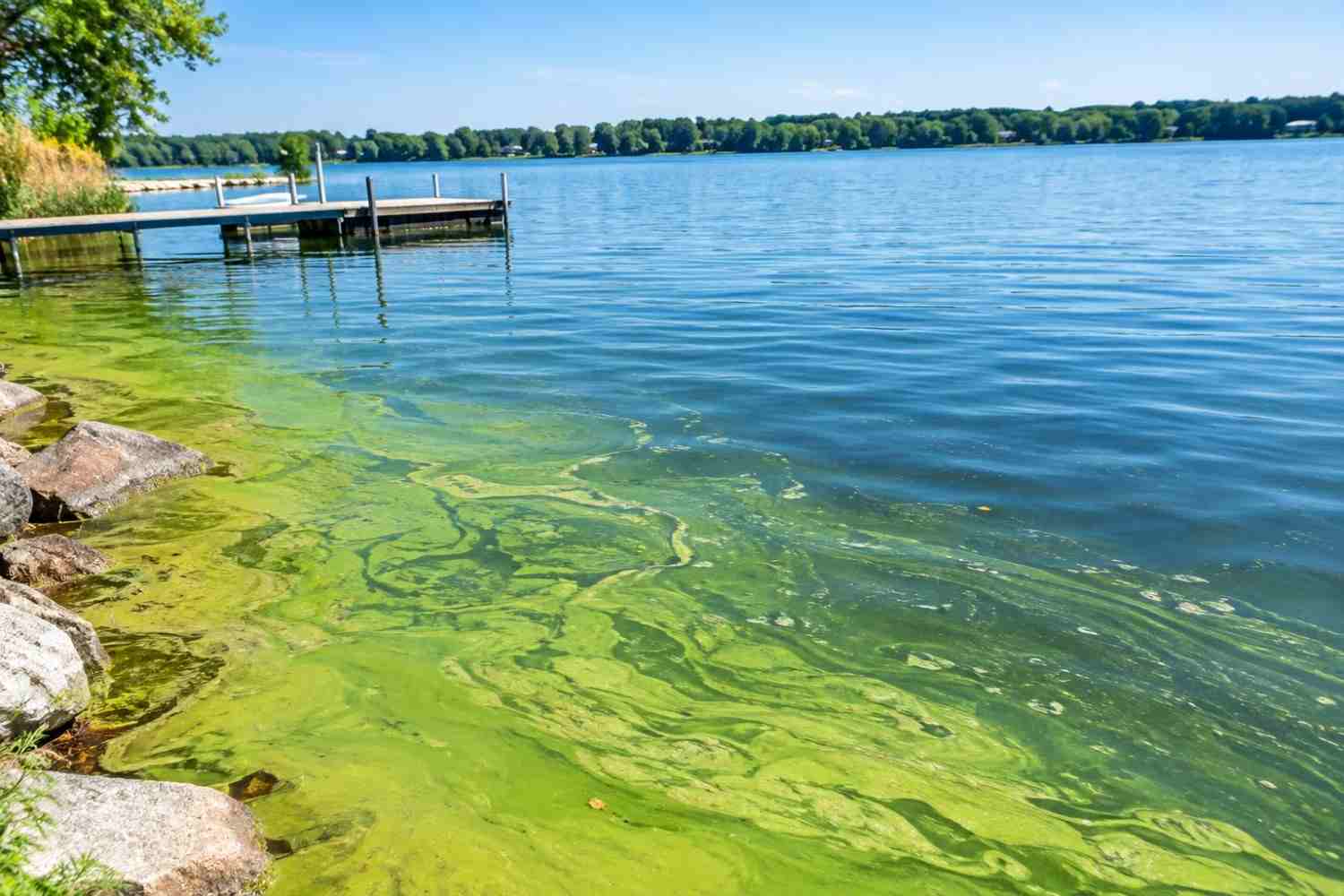
Cyanobacteria, often called blue-green algae, can affect lakes, ponds, reservoirs, and recreational water bodies. Blooms may reduce water clarity, create odors, and change dissolved oxygen conditions. Effective lake cyanobacteria treatment starts with identifying the organism and understanding nutrients, circulation, depth, and seasonal patterns.
What Causes Cyanobacteria Blooms?
Cyanobacteria can multiply when conditions favor growth. Warm temperatures, excess nutrients, stagnant zones, and changing oxygen levels can contribute to blooms. Therefore, cyanobacteria treatment in lakes should address the complete water system instead of surface appearance alone.
Important factors include:
- Water temperature and seasonal changes
- Nitrogen and phosphorus levels
- Dissolved oxygen by depth
- Lake volume, depth, and circulation
- Existing algae and treatment practices
- Inflows, runoff, and sediment conditions
Baseline testing should guide equipment and treatment selection.
Why Site Assessment Matters
Every lake behaves differently. A shallow pond may need a different strategy than a deep reservoir with stratification. For this reason, cyanobacteria pond treatment should begin with water testing and a site review. Testing can help determine whether oxygenation, circulation, ultrasonic control, controlled oxidation, or combined approaches may be suitable.
Puroxi’s lakes and reservoirs approach considers algae identification, water chemistry, dissolved oxygen, nutrients, aquatic life, and seasonal changes before recommending a pathway.
How Technology Supports Algae Management
Modern lake cyanobacteria treatment can combine monitoring with suitable technology. Ultrasonic algae control may be considered when water and biology are suitable.
Puroxi’s Quattro ultrasonic algae-control system can be evaluated for appropriate sites. It also considers nano-bubble oxygenation, circulation, and aeration where suitable.
Nano-bubble systems increase gas-to-water contact, but performance depends on flow, pressure, gas, temperature, chemistry, and design. Therefore, cyanobacteria treatment in lakes should use site evidence.
Puroxi Nano Bubble Nozzles can be selected according to flow, pressure, gas, and treatment requirements. A Puroxi Oxygen Generator can provide concentrated oxygen for properly designed systems.
The Role of Oxygen and Circulation
Low dissolved oxygen and stratification can create challenging lake conditions. Improving circulation and oxygen distribution may support broader water management.
A complete cyanobacteria in water treatment strategy should consider:
- Dissolved-oxygen profiles and oxygen demand
- Water turnover and circulation
- Nutrient sources
- Sediment-water interactions
- Algae coverage and recurrence
- Monitoring requirements
When appropriate, cyanobacteria pond treatment can become part of a broader water-quality program. Operators can track changes and refine the approach using measured results.
Monitor Before and After Treatment
Successful management requires more than visual inspection. Establish a baseline and compare results.
Useful measurements include:
- Algae type, coverage, and photographs
- Dissolved oxygen and temperature by depth
- Water clarity and odor
- Nutrient levels
- Equipment operation and circulation
- Seasonal bloom recurrence
This process makes cyanobacteria in water treatment more measurable and responsible.
Why Integrated Treatment Can Help
A single intervention may not address every factor supporting growth. Nutrient inputs, stratification, stagnant zones, and seasonal changes can continue affecting water after a visible bloom declines.
Therefore, lake cyanobacteria treatment may work best as part of an integrated plan. Depending on site conditions, the program may combine:
- Water testing and algae identification
- Ultrasonic algae control
- Nano-bubble oxygenation
- Aeration and circulation
- Controlled oxidation where appropriate
- Ongoing monitoring and verification

Cyanobacteria Antiviral Treatment: Understanding the Term
The phrase cyanobacteria antiviral treatment can create confusion because cyanobacteria are bacteria, not viruses. Antiviral treatments target viruses, while cyanobacteria management addresses cyanobacterial growth and water-quality conditions.
Therefore, searches for cyanobacteria antiviral treatment should not replace proper water assessment. Define the treatment objective clearly before selecting technology.
Building a Practical Treatment Program
A responsible cyanobacteria pond treatment program should follow a structured cyanobacteria treatment in lakes process. First, identify the algae and document water conditions. Next, evaluate nutrients, depth, dissolved oxygen, circulation, and existing equipment.
Then select suitable technologies, establish performance indicators, and monitor results.
This approach makes cyanobacteria treatment in lakes more targeted and helps prevent unnecessary equipment selection or chemical use.
Choose a Water-Specific Strategy
There is no universal formula for every lake. The most effective lake cyanobacteria treatment strategy depends on biology, hydraulics, chemistry, and operational goals.
Puroxi evaluates these factors before recommending equipment or treatment pathways. Options may include Quattro ultrasonic algae control, Puroxi Nano Bubble Nozzles, and oxygen-generation technology when appropriate.
For organizations evaluating cyanobacteria in water treatment, a site-specific review provides a stronger foundation for decisions.
Cyanobacteria management requires more than treating a visible surface bloom. A successful program considers nutrients, oxygen, circulation, water depth, algae type, and seasonal behavior. With proper testing and monitoring, cyanobacteria pond treatment can become part of a broader water-quality strategy.
For a site-specific approach to lake and reservoir water management, visit Puroxi and discuss your treatment requirements with its water-treatment team.
FAQs
Lake cyanobacteria treatment manages blooms through site assessment, suitable technology, monitoring, and water-quality management practices.
Cyanobacteria treatment in lakes combines testing, circulation, oxygenation, algae-control technologies, and monitoring based on site conditions.
Cyanobacteria pond treatment depends on algae type, water chemistry, depth, nutrients, circulation, and aquatic-life considerations.
Cyanobacteria antiviral treatment is not standard terminology because antivirals target viruses, not cyanobacteria.
Monitoring cyanobacteria in water treatment helps measure bloom changes, dissolved oxygen, clarity, recurrence, and treatment performance.