 Skip to content
Puroxi Knowledge Centre
The Hidden Costs of Poor Water Quality in Industrial Operations
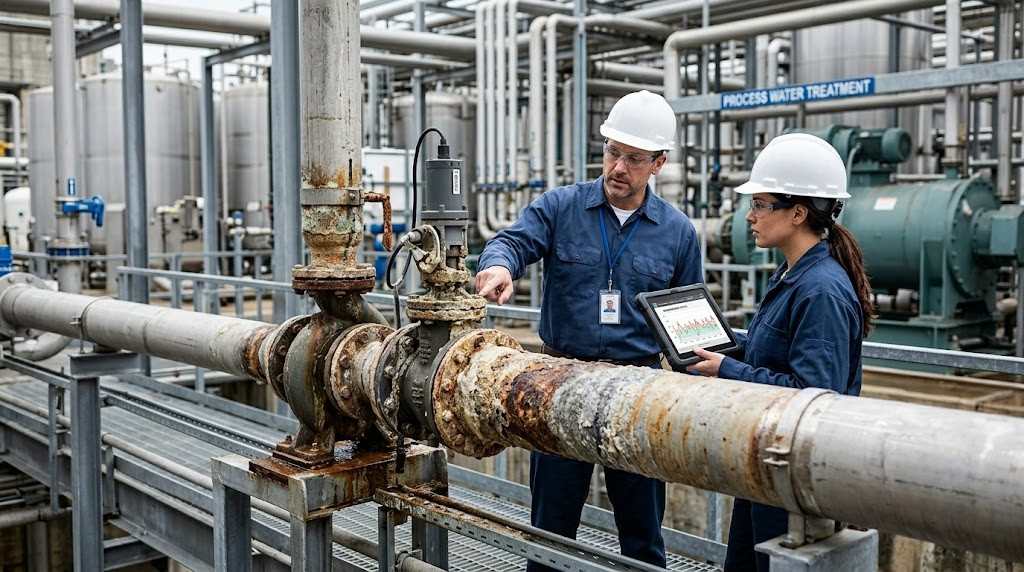
Water is an important factor in many industrial processes. It helps to cool, clean, process, produce, and improve equipment performance. But when water quality is not good, costs can creep up unnoticed.
There are a lot of facilities that concentrate on apparent expenditures. They monitor energy usage, maintenance expenses, and production downtime. However, all three can be affected by water quality.
Industrial water quality issues may include scale, corrosion, fouling, biofilm, odors, and process instability. These problems could be gradual. This means that businesses can only see the financial effect when equipment performance dips.
A proactive water strategy can help identify these risks earlier. It can also improve process consistency, equipment protection, water reuse, and maintenance planning.
How Poor Industrial Water Quality Increases Costs
As water flows through an industrial facility, it undergoes changes in water chemistry. Performance may be affected by temperature, pressure, flow, biological activity, and concentration.
Problems can occur throughout the system when minerals, solids, organics, or biological growth are present in the water that is not wanted.
Common hidden costs include:
- More frequent equipment cleaning
- Higher maintenance requirements
- Reduced heat-transfer efficiency
- Increased water consumption
- Higher chemical usage
- Greater energy consumption
- Production interruptions
- Shorter equipment life
- Increased wastewater volumes
- More difficult water reuse
- Additional discharge management
- Unplanned maintenance expenses
For example, scale can accumulate inside pipes, heat exchangers, tanks, and other equipment. That buildup can restrict flow and reduce efficiency. Corrosion can also damage equipment and create additional maintenance needs.
Therefore, industrial water quality should be treated as an operational issue rather than a separate utility concern.
Industrial Water Treatment and Equipment Protection
Effective industrial water treatment starts with understanding the water itself. A single treatment method may not suit every facility.
Puroxi emphasizes evaluating the source water, flow, chemistry, equipment, operating conditions, and desired outcome before selecting treatment technology. Its industrial water approach considers processing water, storage, reuse, oxidation, biofilm, scale, and equipment protection together.
A strong treatment strategy can focus on several areas:
- Filtration and removal of unwanted particles
- Oxidation and controlled oxygenation
- Scale management
- Biofilm and biological control
- Water reuse
- Tank and storage protection
- Monitoring and verification
This approach can help operators understand where problems originate. It can also prevent one treatment decision from creating another operational problem.
For instance, a facility may need filtration before downstream equipment. Another site may require oxygenation, circulation, or oxidation. The correct solution depends on water conditions and process requirements.
The Cost of Neglecting Process Water Treatment
Process water can directly influence production performance. When its quality changes, the effects may spread across multiple systems.
Poor process water may contribute to:
- Equipment fouling: Deposits can restrict flow and reduce equipment performance.
- Corrosion: Aggressive water conditions can damage metallic components.
- Biofilm growth: Biological buildup can affect water quality and system operation.
- Higher cleaning frequency: Operators may need more frequent cleaning cycles.
- Water losses: Poor reuse performance can increase fresh-water demand.
- Production downtime: Severe water problems can require unexpected shutdowns.
Therefore, process water treatment should focus on measurable operating objectives. Facilities can monitor water chemistry, flow, pressure, temperature, scale, biofilm, maintenance frequency, and water consumption.
Puroxi recommends establishing baseline conditions and tracking treatment settings and operating results. This helps facilities evaluate whether treatment is delivering the intended outcome.
Dissolved Oxygen System Performance Matters
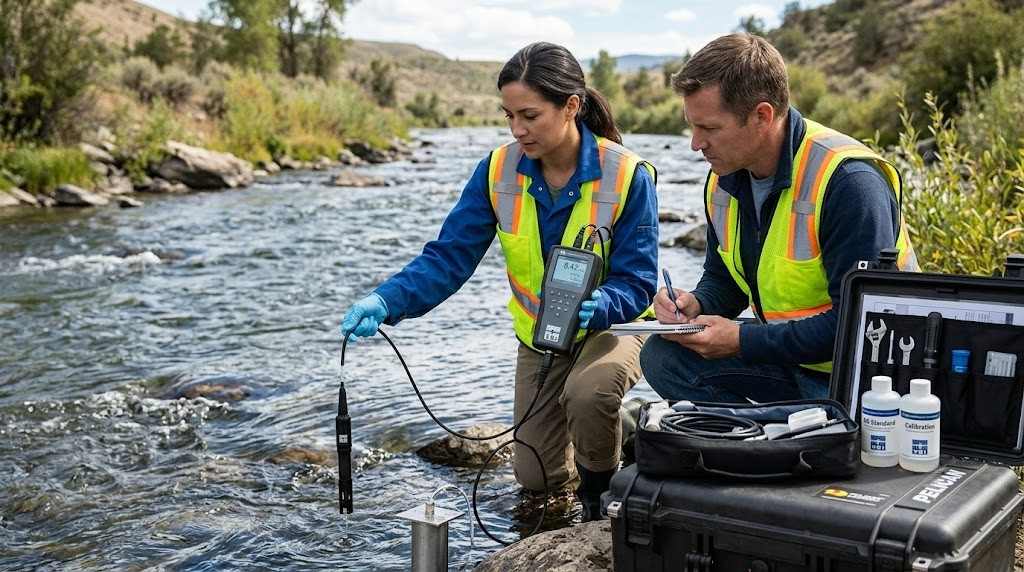
Dissolved oxygen can also influence water-treatment performance. Oxygen levels can change because of temperature, biological activity, water movement, and organic loading.
A dissolved oxygen system can introduce oxygen into water when additional oxygen transfer is appropriate for the application. Stable oxygen levels can support biological processes and help manage low-oxygen conditions.
However, more oxygen does not automatically mean better results. Excessive aeration can waste energy, while insufficient oxygen may fail to meet process demand.
Puroxi’s water-treatment resources emphasize measuring dissolved oxygen alongside other operating conditions. These measurements help operators understand oxygen demand and treatment performance.
A properly evaluated oxygenation strategy can therefore help facilities manage:
- Low dissolved oxygen
- Biological activity
- Anaerobic zones
- Odour-related conditions
- Process stability
- Oxygen-transfer efficiency
Why Preventive Water Management Makes Financial Sense
Waiting until water problems become severe can create unnecessary costs. Instead, facilities can establish a regular monitoring programme.
Start by collecting useful site information, including:
- Water chemistry reports
- Flow and pressure data
- Temperature readings
- Dissolved oxygen measurements
- Equipment condition
- Maintenance history
- Cleaning frequency
- Water consumption
- Discharge requirements
- Reuse objectives
Next, identify changes over time. A gradual increase in conductivity, scale, cleaning frequency, or water consumption may indicate a developing issue.
Testing also helps facilities avoid assumptions. Puroxi recommends considering water testing, hydraulic review, material compatibility, and customer verification requirements before selecting treatment equipment.
This site-specific approach can help companies focus their investment where it matters most.
Reduce Hidden Costs Through Better Water Management
Poor water quality does not always create an immediate failure. Instead, its costs often accumulate through small efficiency losses.
A fouled heat exchanger may consume more energy. A scaled pipe may restrict flow. Poor water reuse may increase fresh-water demand. Low oxygen may affect biological treatment performance.
Individually, these problems may seem manageable. Together, they can significantly affect operating expenses.
The solution begins with understanding the complete water system. Facilities should test their water, identify operational risks, establish measurable objectives, and verify treatment results.
Puroxi takes a site-specific approach to industrial water treatment, considering process conditions, water chemistry, hydraulic requirements, equipment protection, treatment options, and monitoring.
If your facility needs to identify hidden water-related operating costs, Puroxi can help you evaluate your water conditions and develop a treatment approach based on your specific application.
Frequently Asked Questions
Poor water quality can increase maintenance, energy use, cleaning frequency, downtime, equipment damage, and overall water consumption.
Industrial water treatment helps manage scale, corrosion, fouling, biological growth, and other conditions affecting equipment performance.
Process water treatment can improve water consistency, protect equipment, support reuse goals, and reduce avoidable maintenance requirements.
A dissolved oxygen system transfers oxygen into water when oxygenation supports the specific treatment or process requirements.
Companies can monitor water chemistry, flow, pressure, temperature, dissolved oxygen, equipment condition, cleaning frequency, and water usage.
