What a Representative Water Test Should Include
A long laboratory report is not automatically a useful report. A representative test begins with the right question, the right sampling point and the right timing.
Define the purpose before selecting parameters
- Characterize an untreated source.
- Investigate a visible or operational problem.
- Design or size a treatment process.
- Establish a baseline before installation.
- Verify treated-water performance.
- Monitor a regulated or sensitive application.
Choose representative sampling points
A complete evaluation may require raw source water, storage, process inlet, process outlet and point-of-use samples. Samples taken after a softener, filter, disinfectant injector or long storage period should not be described as untreated source water. Record whether pumps, dosing and treatment equipment were operating.
Build an application-specific panel
A preliminary panel may include pH, alkalinity, hardness, conductivity, total dissolved solids, turbidity, iron and manganese. Additional parameters are selected according to the source and use.
- Drinking and domestic use: appropriate microbiology, minerals, metals and locally regulated parameters.
- Agriculture and irrigation: salinity/conductivity, pH, alkalinity, hardness, sodium-related information, nutrients and crop-specific concerns.
- Livestock and poultry: microbiology, pH, minerals, salinity, sulphates, nitrates/nitrites, iron, manganese and operational observations.
- Aquaculture: dissolved oxygen, temperature, pH, alkalinity, salinity, ammonia, nitrite, nitrate, turbidity and application-specific biological information.
- Lakes and reservoirs: depth profiles, temperature, dissolved oxygen, nutrients, turbidity, chlorophyll or algae identification as appropriate.
- Wastewater and process water: flow, COD/BOD, solids, pH, nutrients, oils/metals or process-specific contaminants.
Timing can change the result
Surface-water conditions can vary by depth, weather, season and time of day. Dissolved oxygen and pH may change during a daily algae cycle. Well water may change after pumping. Agricultural and industrial water can change with production cycles. Where variation is expected, one sample should not be treated as a complete baseline.
Use proper containers and handling
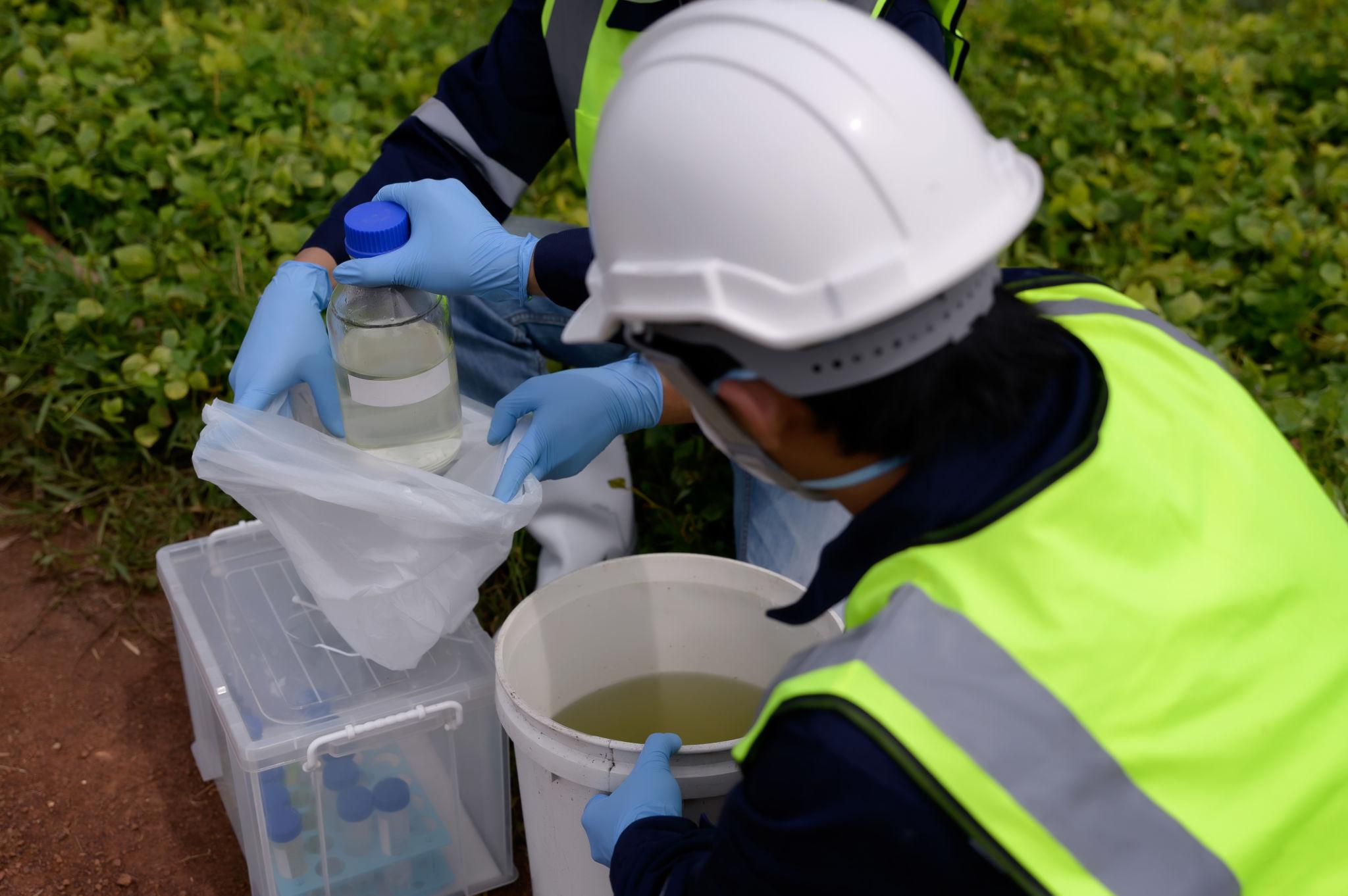
Follow the laboratory’s instructions for container type, preservation, temperature, holding time and chain of custody. Do not rinse a pre-preserved bottle unless instructed. Field measurements such as temperature, dissolved oxygen and sometimes pH should be collected using suitable calibrated instruments and documented at the sampling location.
Record context with every sample
- Exact sample point and source.
- Date, time, depth and sampler.
- Weather and recent rainfall where relevant.
- Pump, aeration and treatment status.
- Water appearance, odour and temperature.
- Photographs from a consistent location.
- Unusual events, cleaning, chemical additions or production changes.
Clear water is not automatically safe water
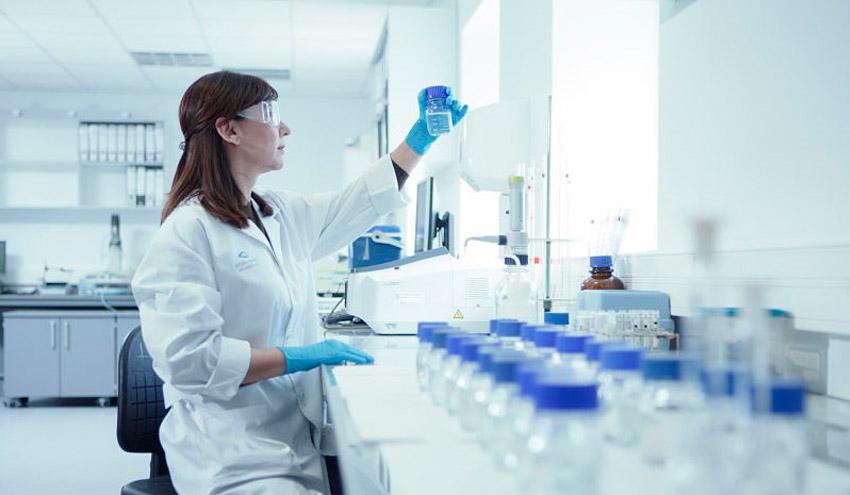
Microorganisms and dissolved substances may be invisible. Appearance cannot verify microbiological or chemical safety. Where human consumption or another regulated use is involved, rely on appropriate laboratory analysis and the requirements of the responsible authority.
Knowledge check
- Why should raw and treated water be sampled separately?
- When might one sample be insufficient?
- Why must field conditions be recorded?
- Can clear appearance establish that water is safe?
ANSWERS
1) To establish the starting condition and treatment response.
2) When depth, season, time, weather or production changes the water.
3) Context affects interpretation and repeatability.
4) No—appropriate testing is required.
PUROXI PRINCIPLE
Understanding Always Comes Before Recommendation.