Puroxi industry centre
Car & Truck Wash Water
Wash facilities depend on reliable source water, clean reclaim systems, controlled odour, protected equipment and water quality suited to the final rinse and discharge requirements.
Understanding the application
Water Conditions Affect the Complete Operation
Puroxi does not begin with a product. We begin by understanding where the water comes from, how it moves through the site, what it contacts, what has already been tried and what the operation needs the water to do.
Mud, oil, grease and suspended solids
This condition is evaluated in relation to the source water, system design, operating load and the required outcome.
Reclaim-tank odour and biological growth
This condition is evaluated in relation to the source water, system design, operating load and the required outcome.
Hardness, scale and equipment fouling
This condition is evaluated in relation to the source water, system design, operating load and the required outcome.
Spotting, final-rinse quality and discharge limits
This condition is evaluated in relation to the source water, system design, operating load and the required outcome.
Systems and applications
See How the Treatment Tools Fit the Water
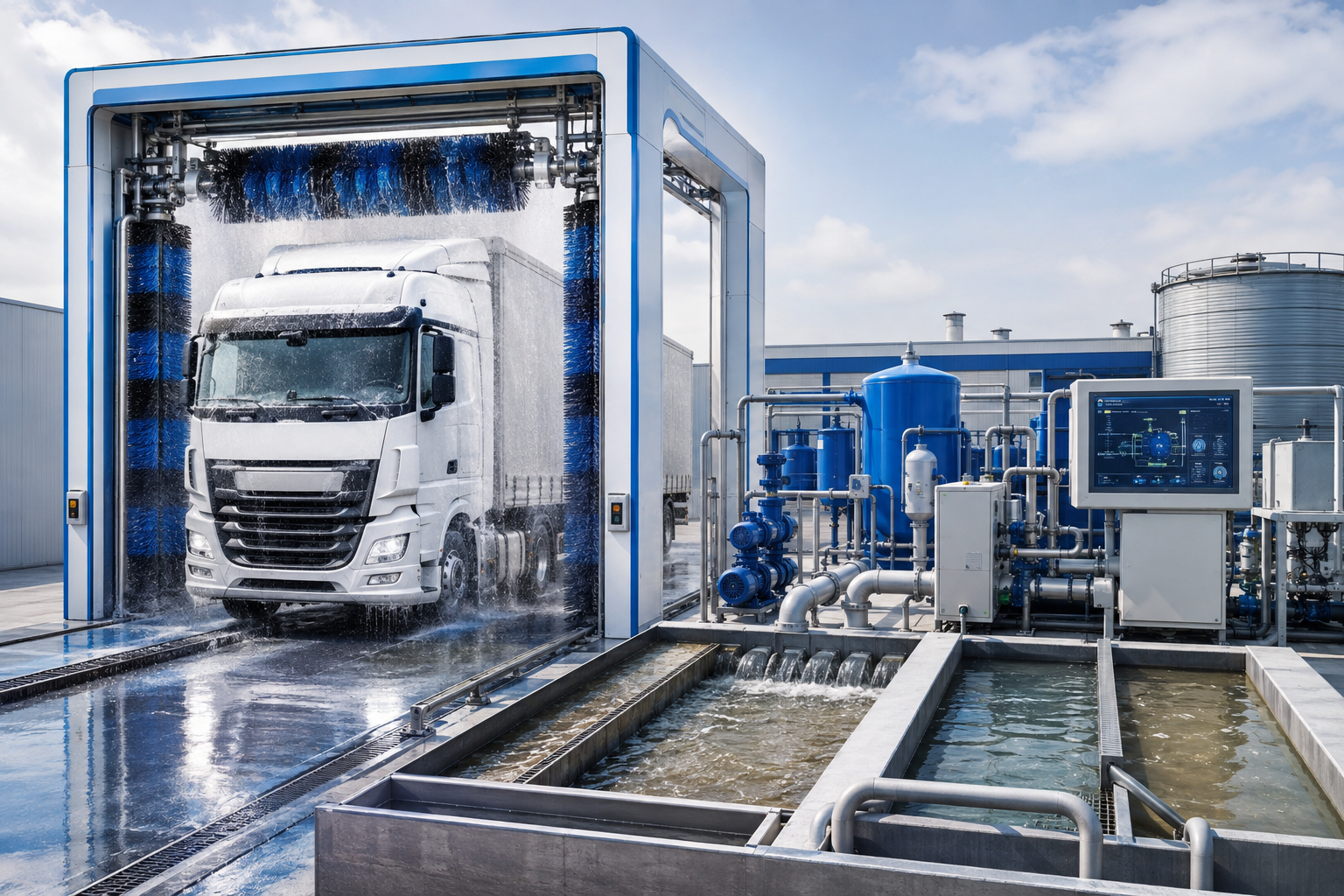
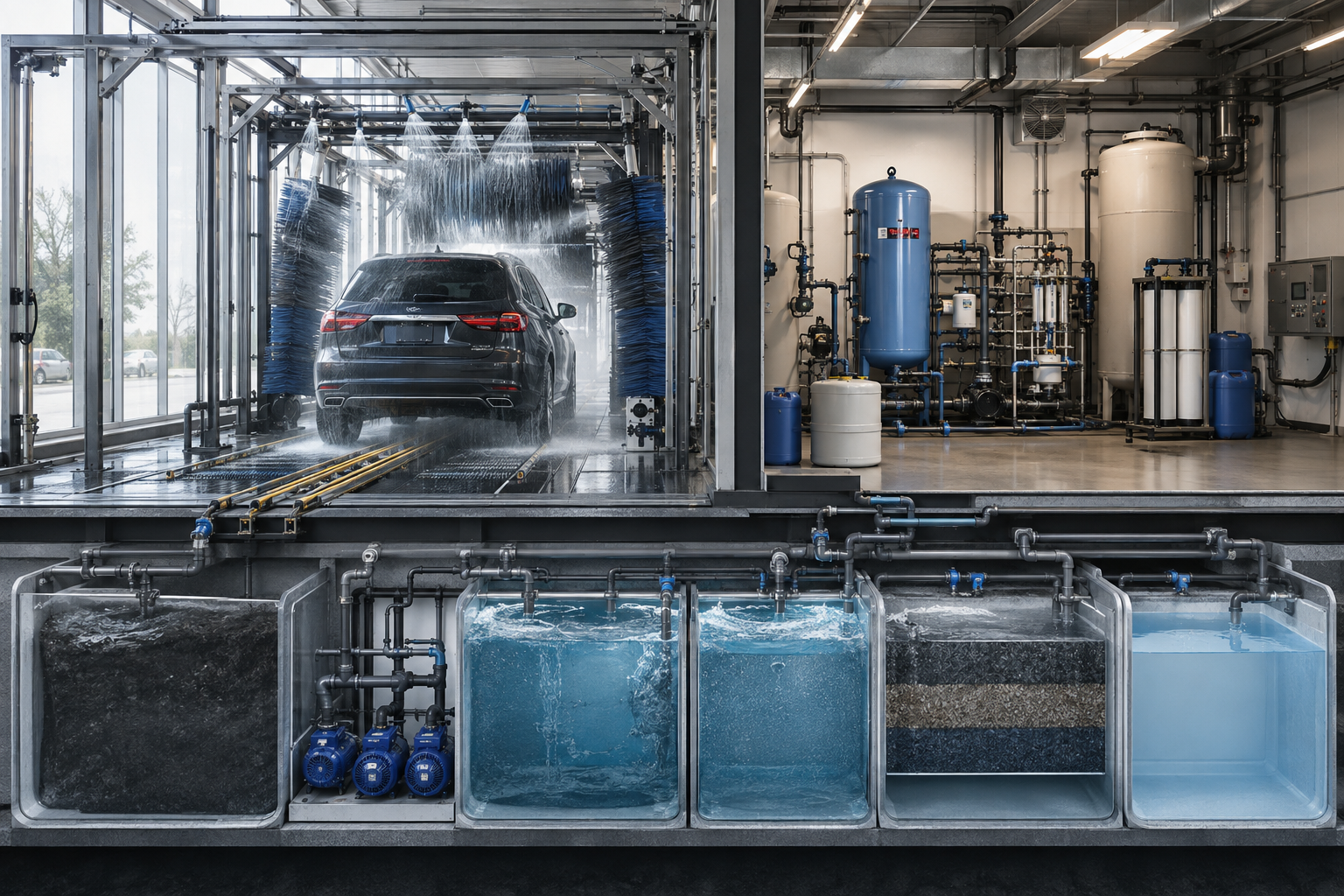
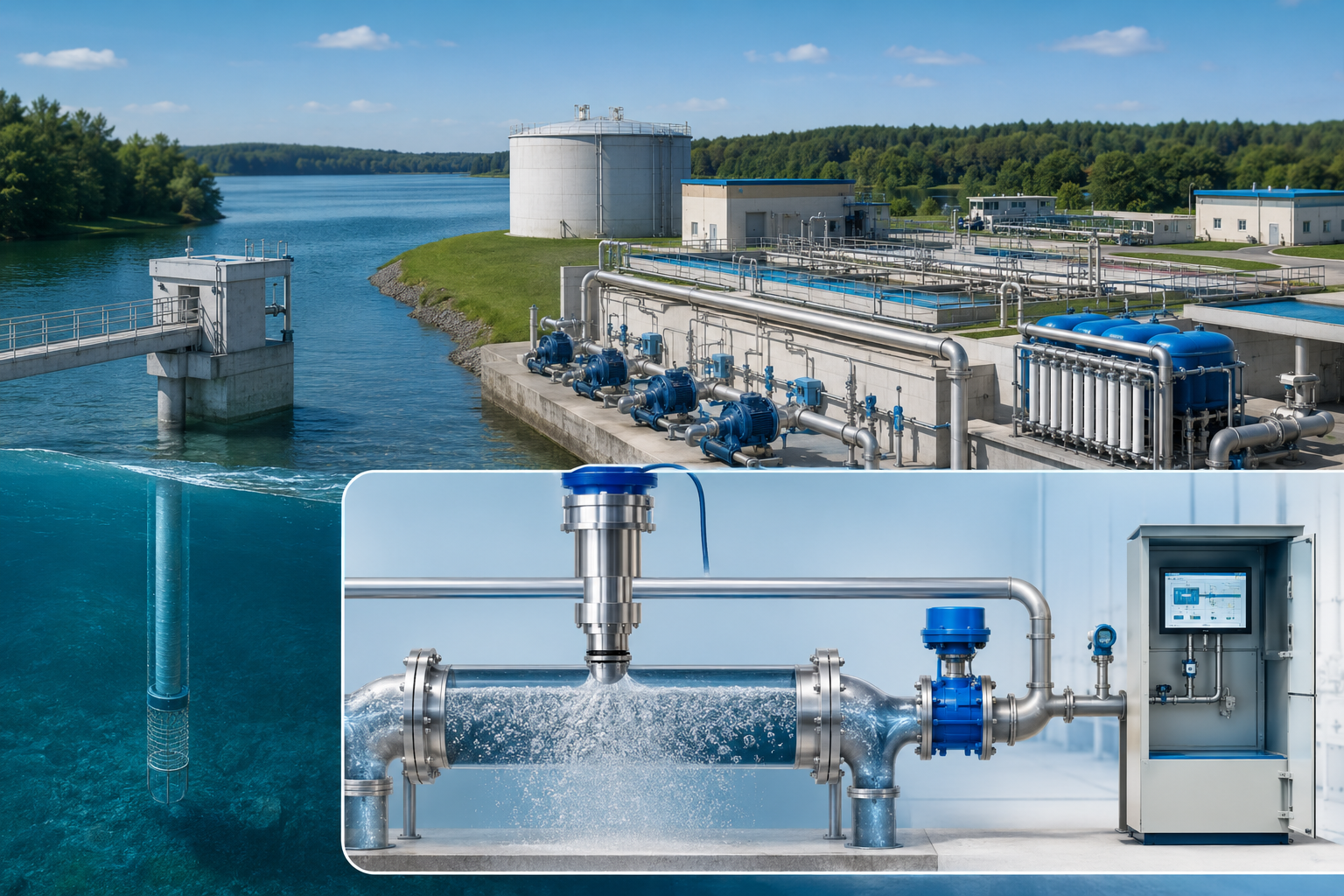
These photographs show genuine Puroxi equipment or approved application references. Final equipment selection and layout remain site-specific.
How Puroxi approaches the water
A Site-Specific Treatment Pathway
Separate settling, oil removal, filtration and polishing duties
Treatment selection follows water testing, hydraulic review, material compatibility and the customer’s verification requirements.
Improve reclaim circulation and compatible oxidation
Treatment selection follows water testing, hydraulic review, material compatibility and the customer’s verification requirements.
Manage hardness or scale around heaters and nozzles
Treatment selection follows water testing, hydraulic review, material compatibility and the customer’s verification requirements.
Design final-rinse water for the desired finish
Treatment selection follows water testing, hydraulic review, material compatibility and the customer’s verification requirements.
Potential Puroxi treatment tools
Technologies Are Selected for What the Water Requires
Treatment areas
- Source and makeup water
- Reclaim and settling systems
- Oil, grease and suspended solids
- Odour and biological growth
- Scale and spotting
- Filtration and oxidation
- Equipment protection
- Monitoring and discharge
Technologies that may be considered
- Puroxi Nano Bubble Nozzles using ambient air, oxygen or another approved gas
- Puroxi Oxygen Generator for suitable on-site oxygen supply
- Quattro ultrasonic algae control where the water and biology are suitable
- Puroxi Oxygen Booster through a controlled water-test-based protocol
- Ultrasonic scale prevention, filtration, dosing, aeration and circulation
A technology appearing on this page does not mean it is suitable for every site. Puroxi may recommend one treatment method, a combination of independent systems or further testing before equipment selection.
Information required
What Puroxi Needs Before Recommending Equipment
Good design depends on accurate site information. Reports, photographs, drawings and operating history help prevent assumptions.
- Vehicle volume and wash-water balance
- Source, reclaim and discharge water tests
- Pit, tank, separator and filter layout
- Pump flow, pressure, heaters and chemical programme
Relevant parameters may include temperature, pH, dissolved oxygen, salinity, conductivity, turbidity, hardness, alkalinity, nutrients, organics, metals, microbial information and algae identification, together with the process-specific information required for this industry.
Monitoring and verification
Measure the Water and the Operating Result
Turbidity, odour and reclaim-water condition
Record the baseline, treatment settings, operating changes and follow-up results so performance can be evaluated responsibly.
Oil, solids and required discharge parameters
Record the baseline, treatment settings, operating changes and follow-up results so performance can be evaluated responsibly.
Nozzle, pump and heater condition
Record the baseline, treatment settings, operating changes and follow-up results so performance can be evaluated responsibly.
Water use, reuse rate and final-rinse results
Record the baseline, treatment settings, operating changes and follow-up results so performance can be evaluated responsibly.
The Puroxi process
Test. Design. Treat. Verify.
- Characterize the source and the operating problem.
- Define the objective, limitations and applicable requirements.
- Design the hydraulic, gas, treatment and monitoring arrangement.
- Commission, document, evaluate and refine the programme.
Let’s Understand Your Water.
Share water tests, photographs, flows, volumes, drawings, existing equipment and the result you need to achieve.